Media Studio 2
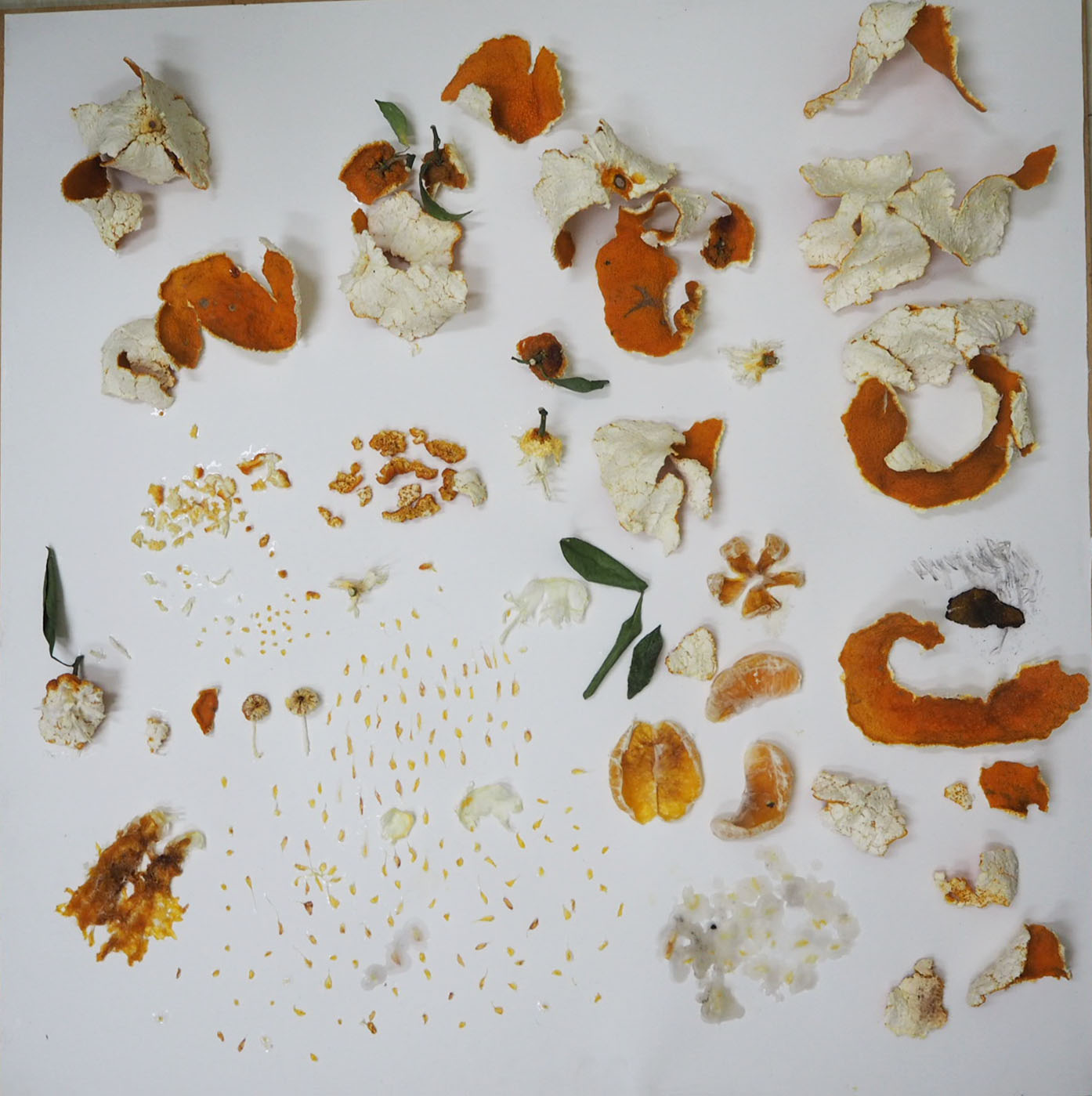
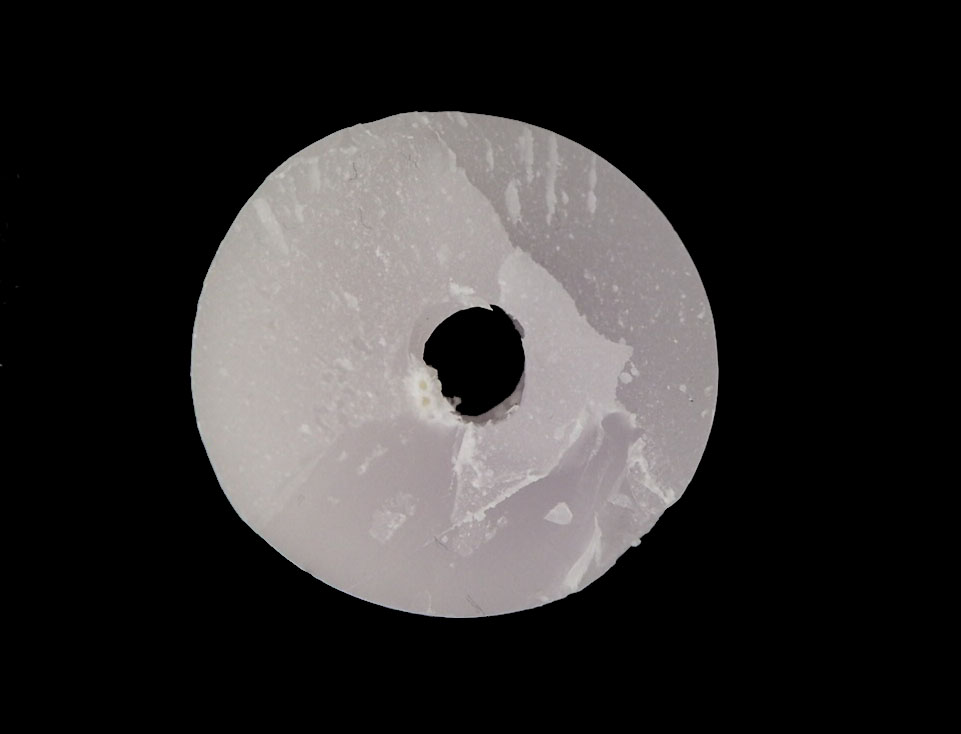
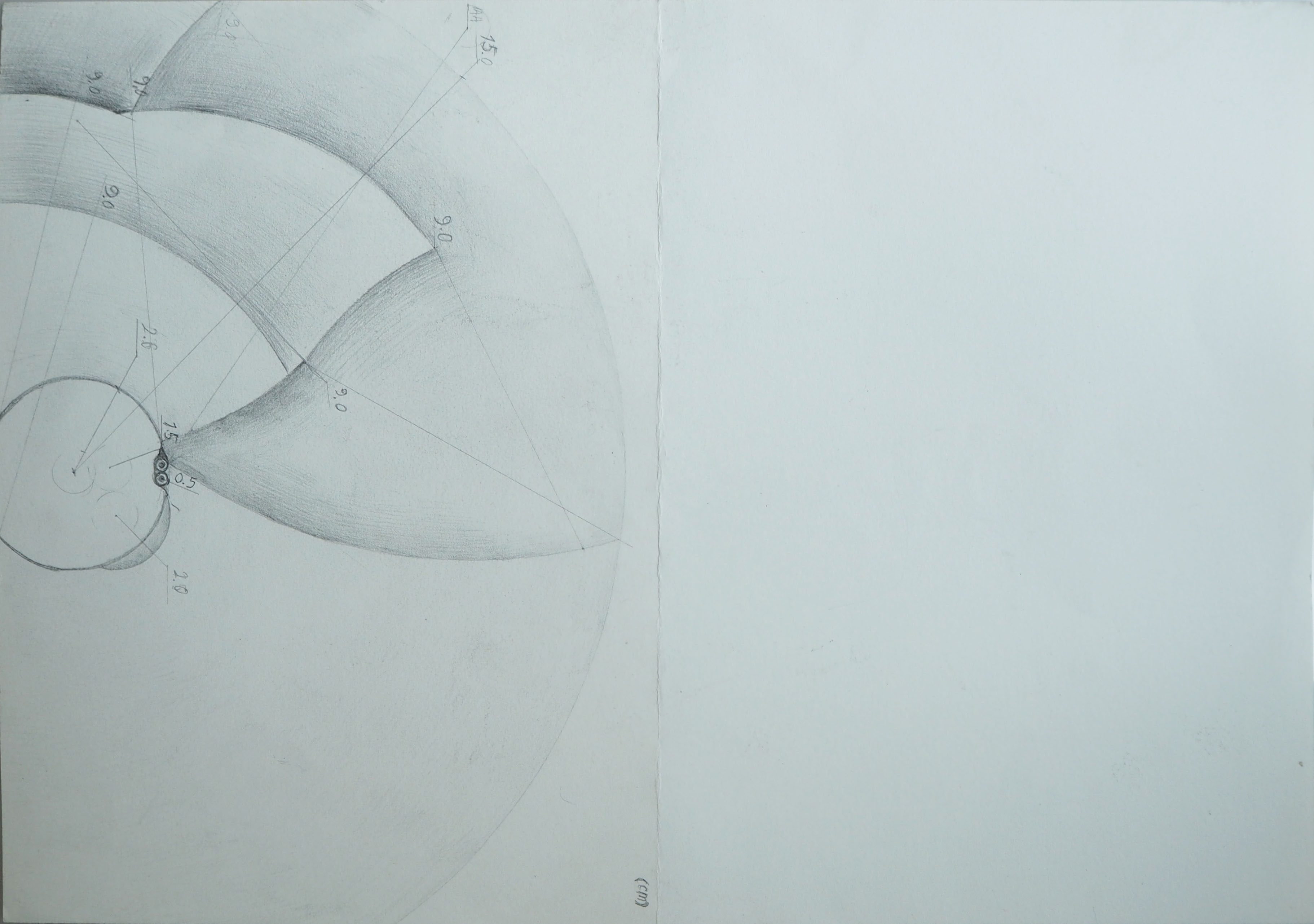
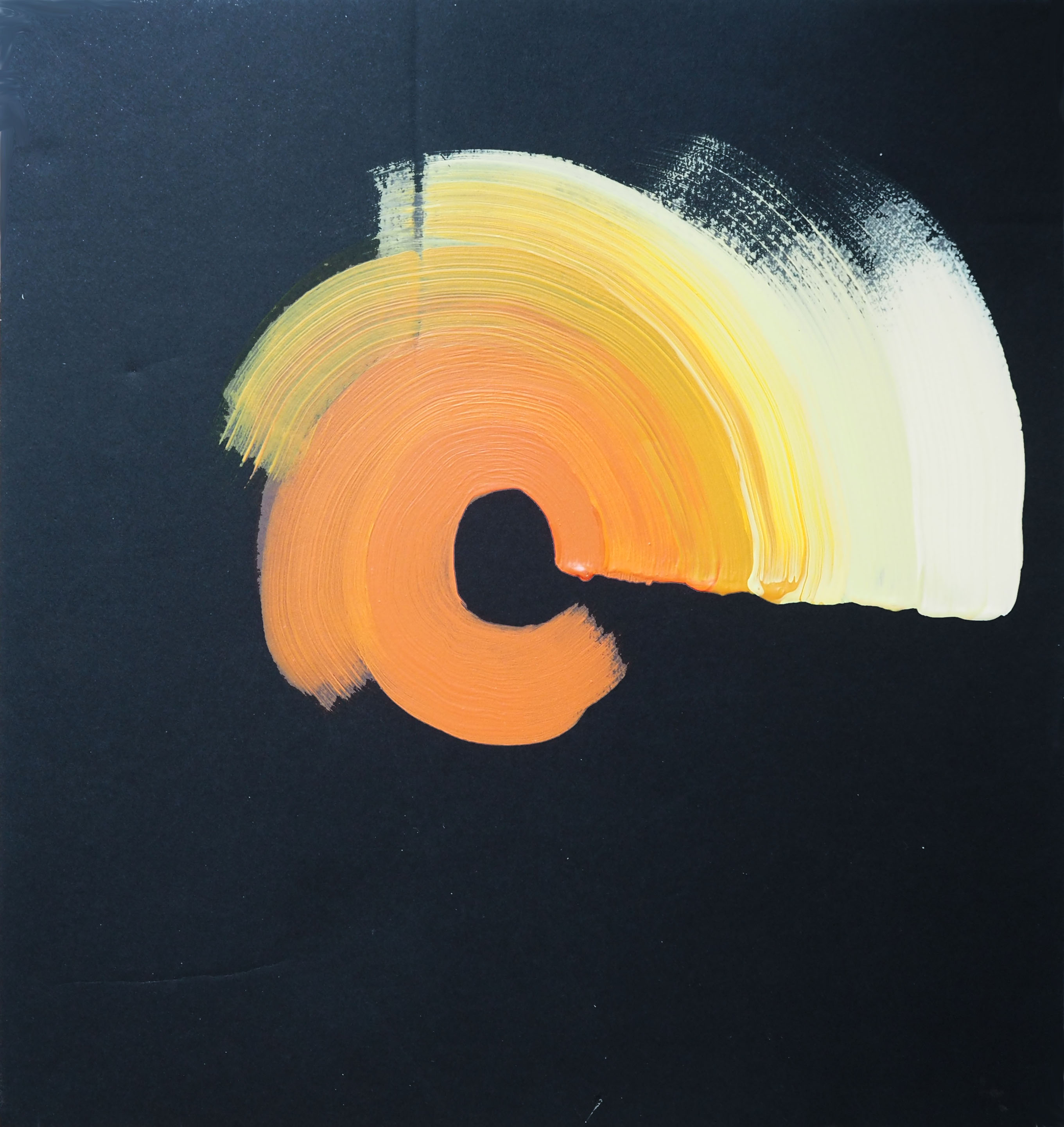
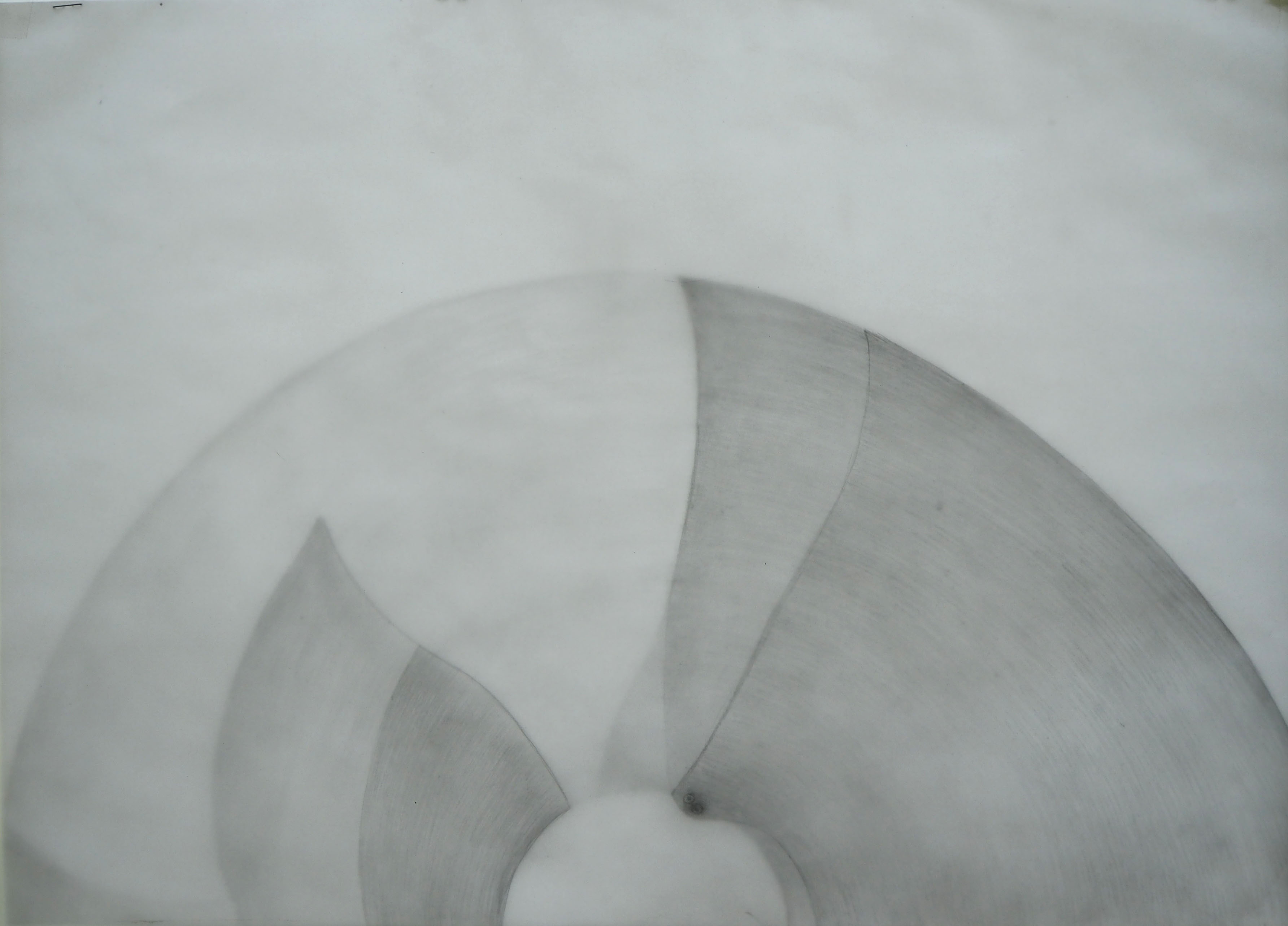
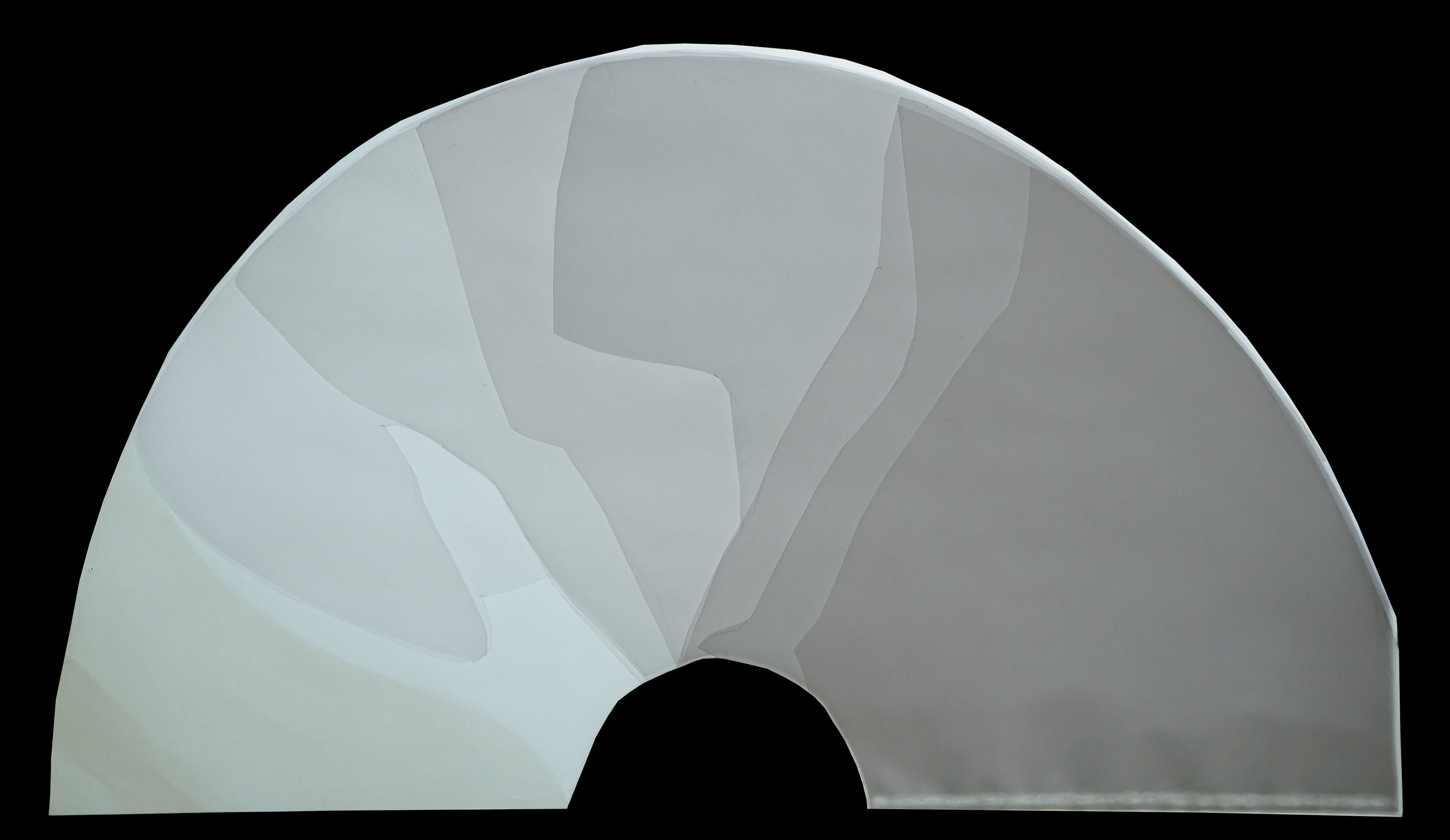
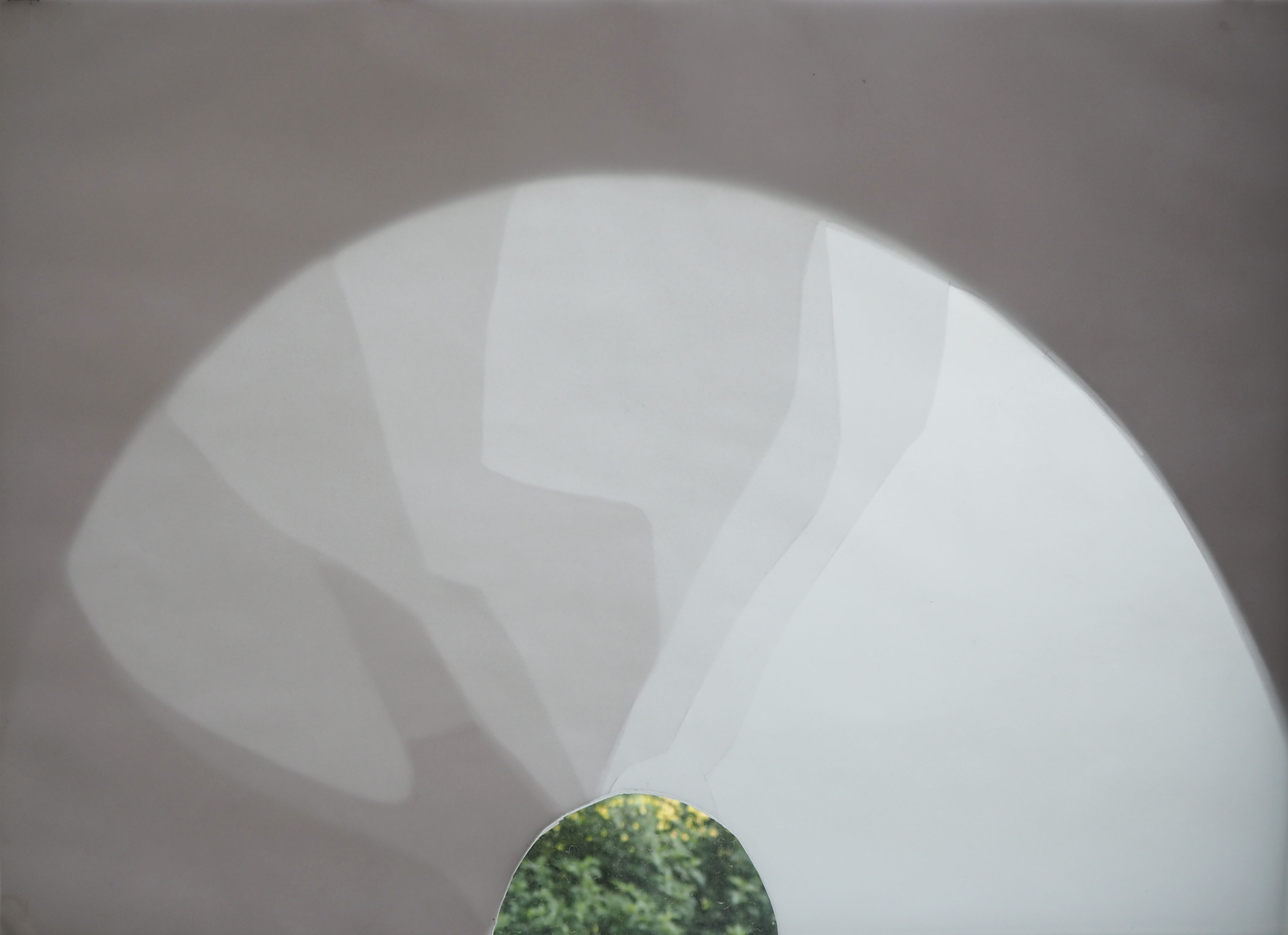
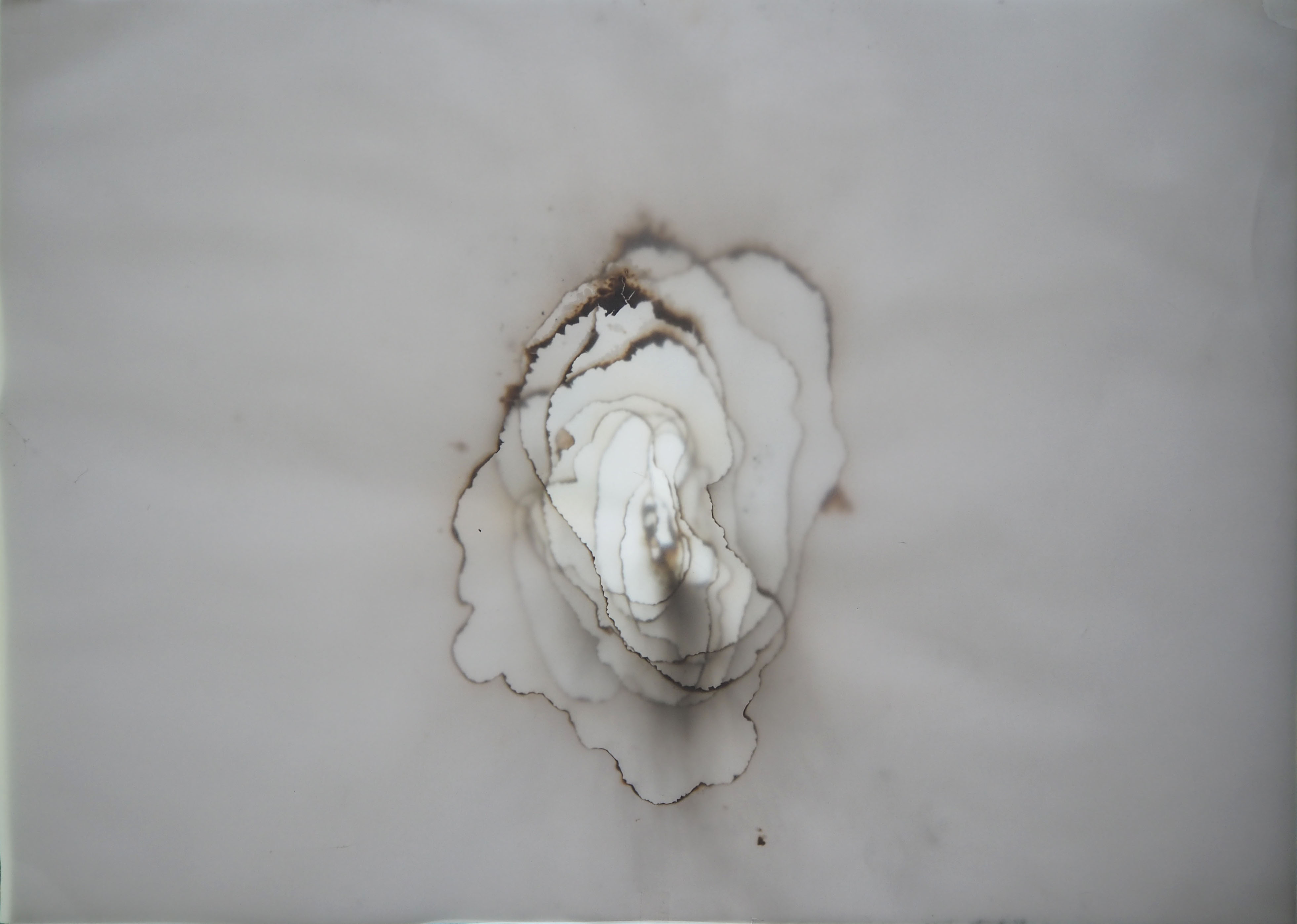
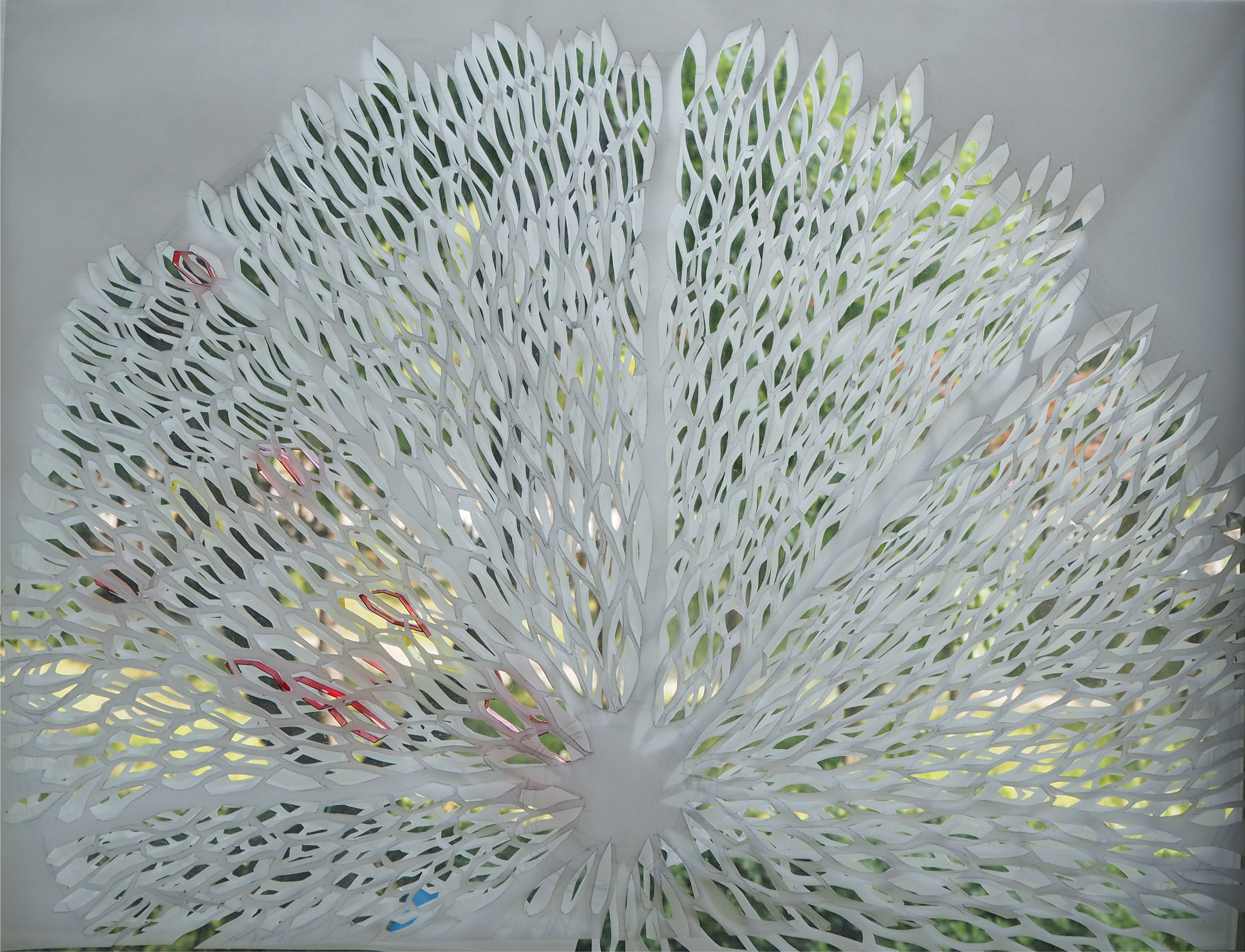
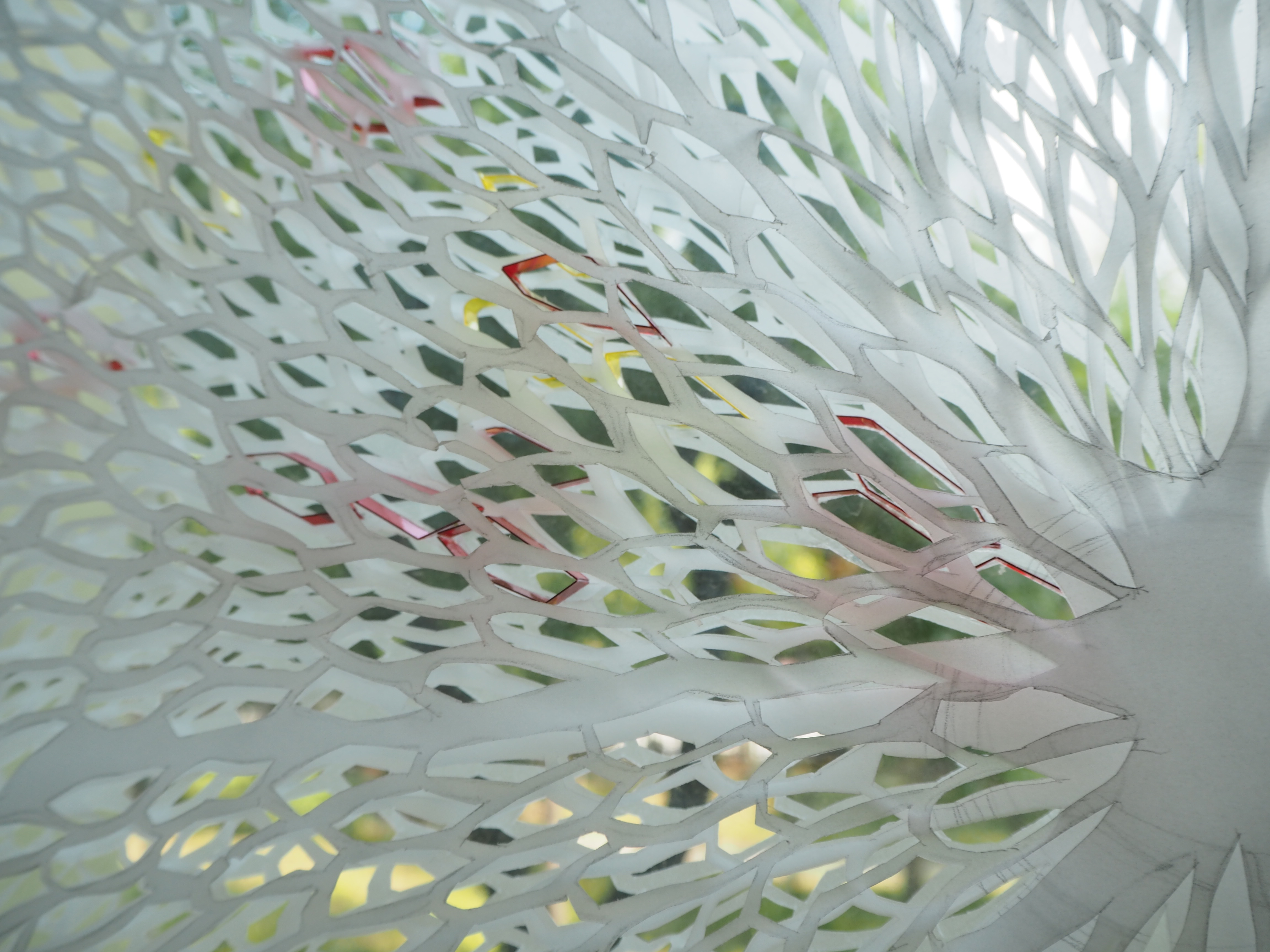
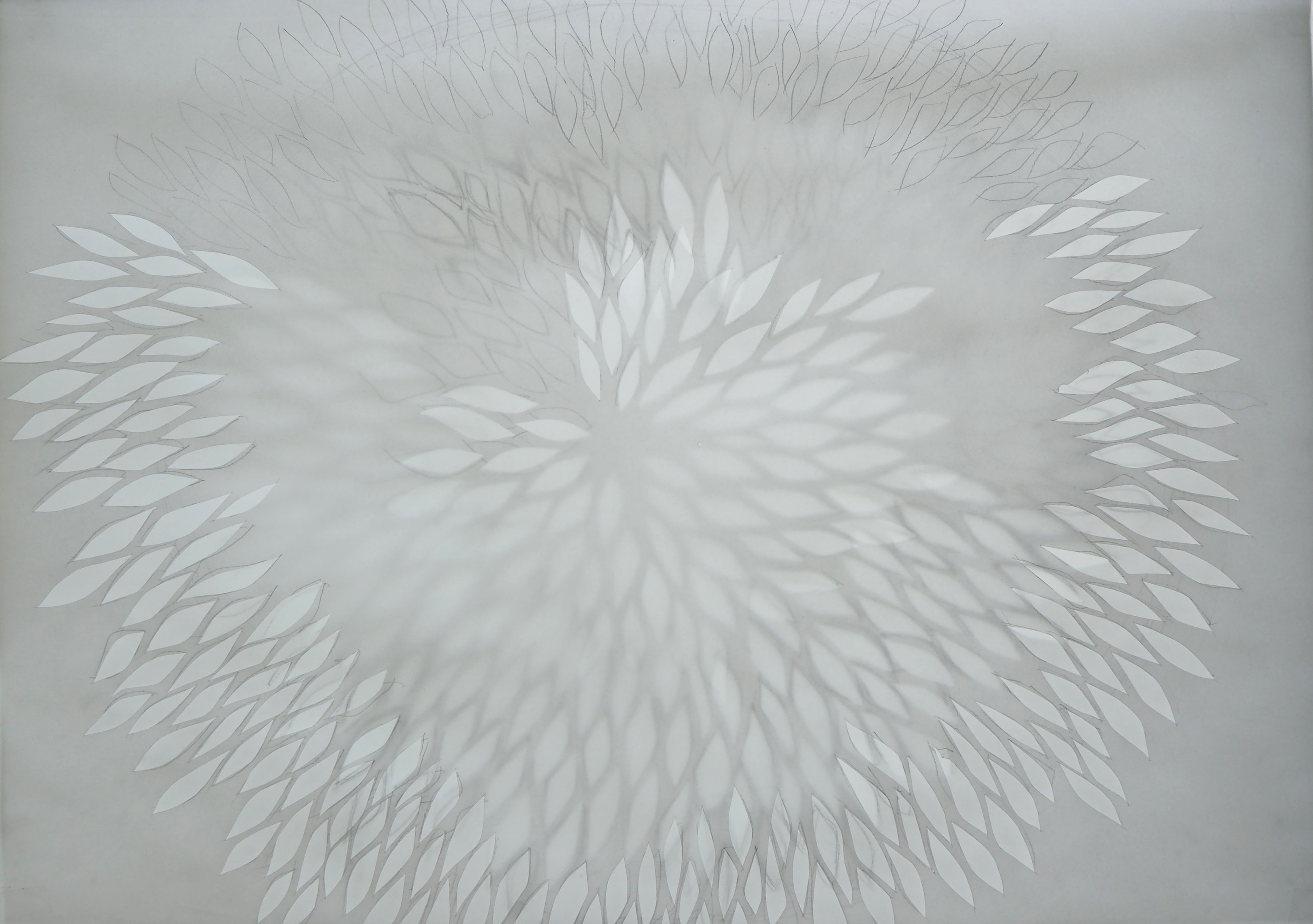
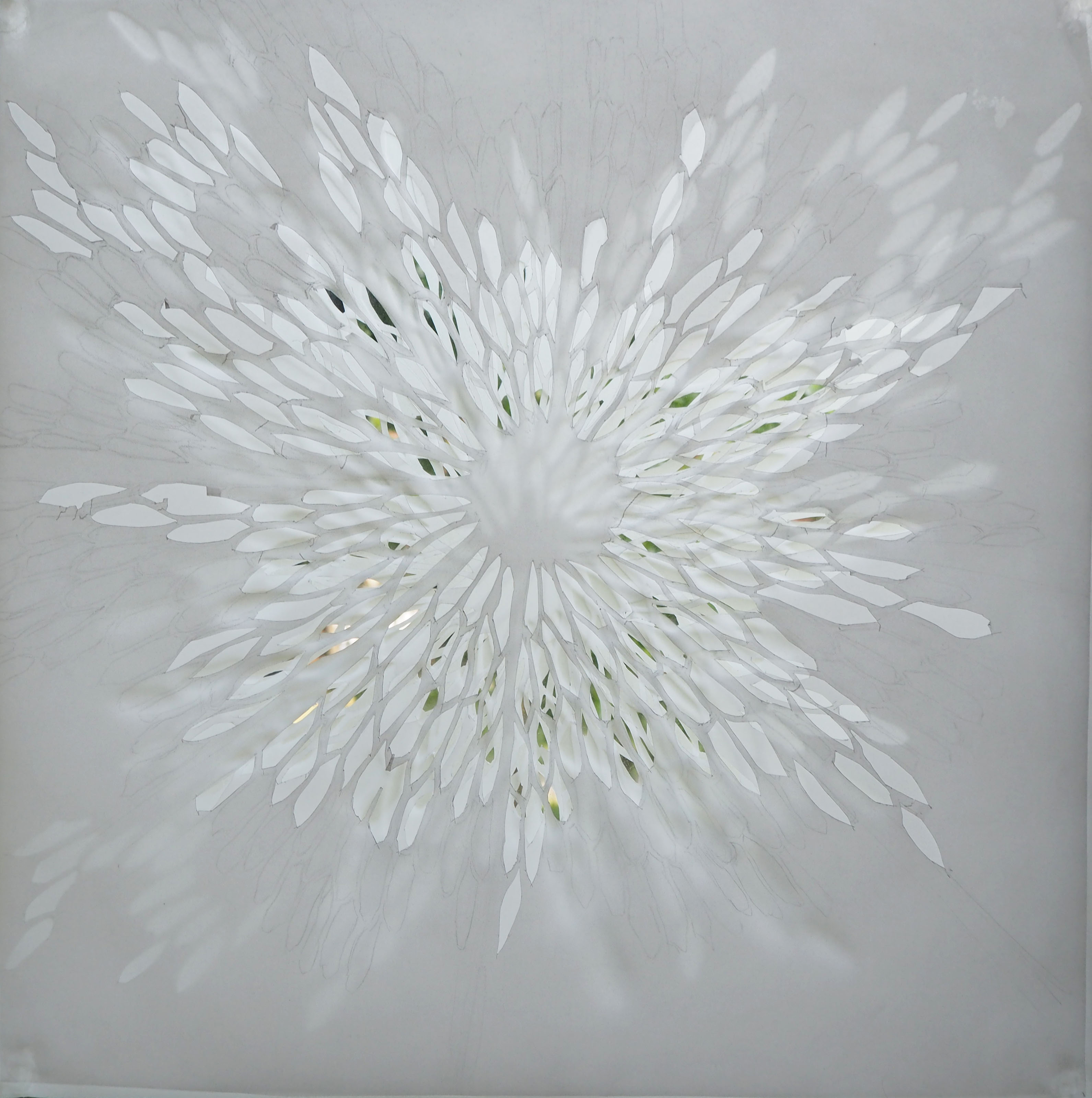
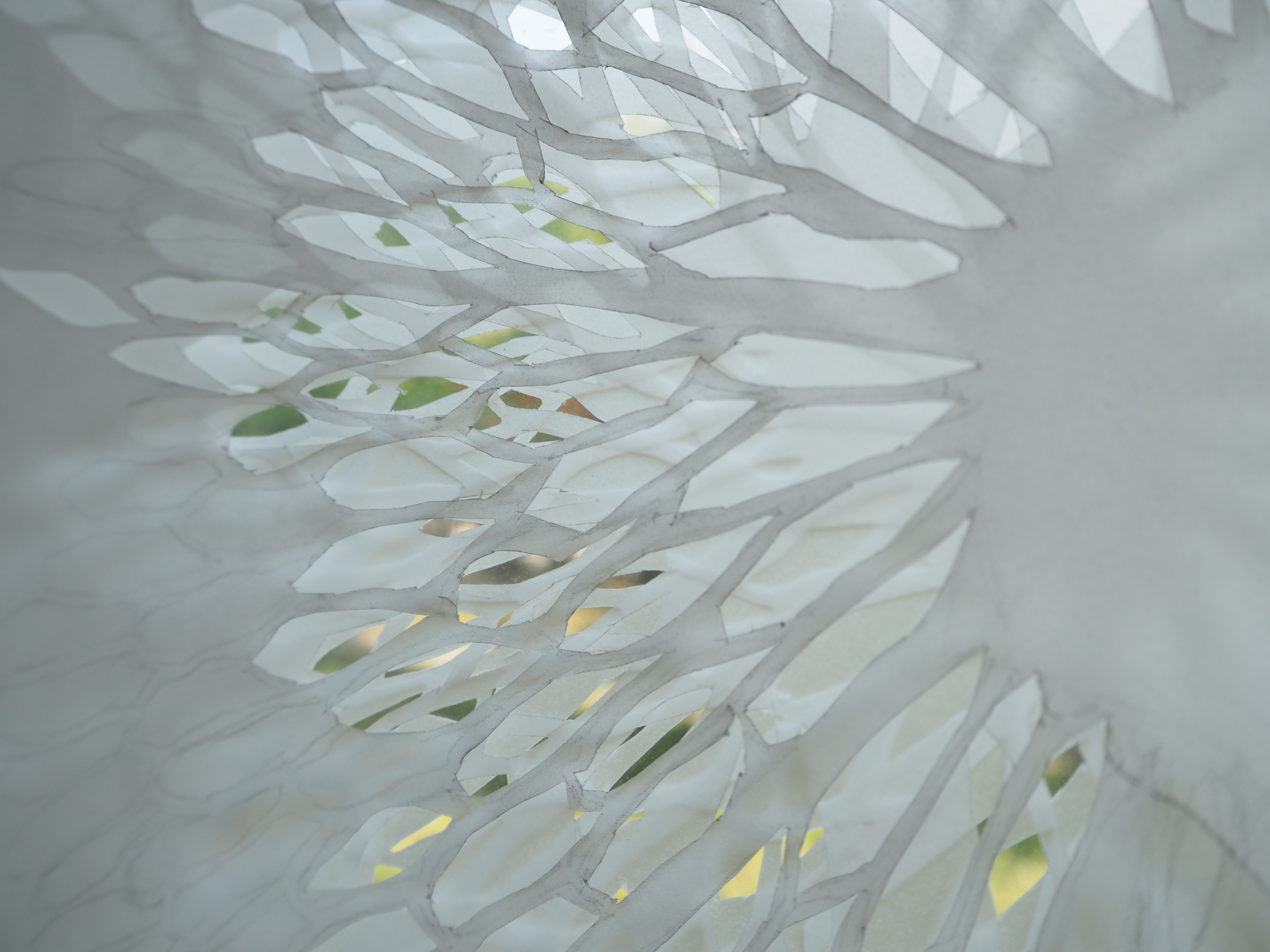
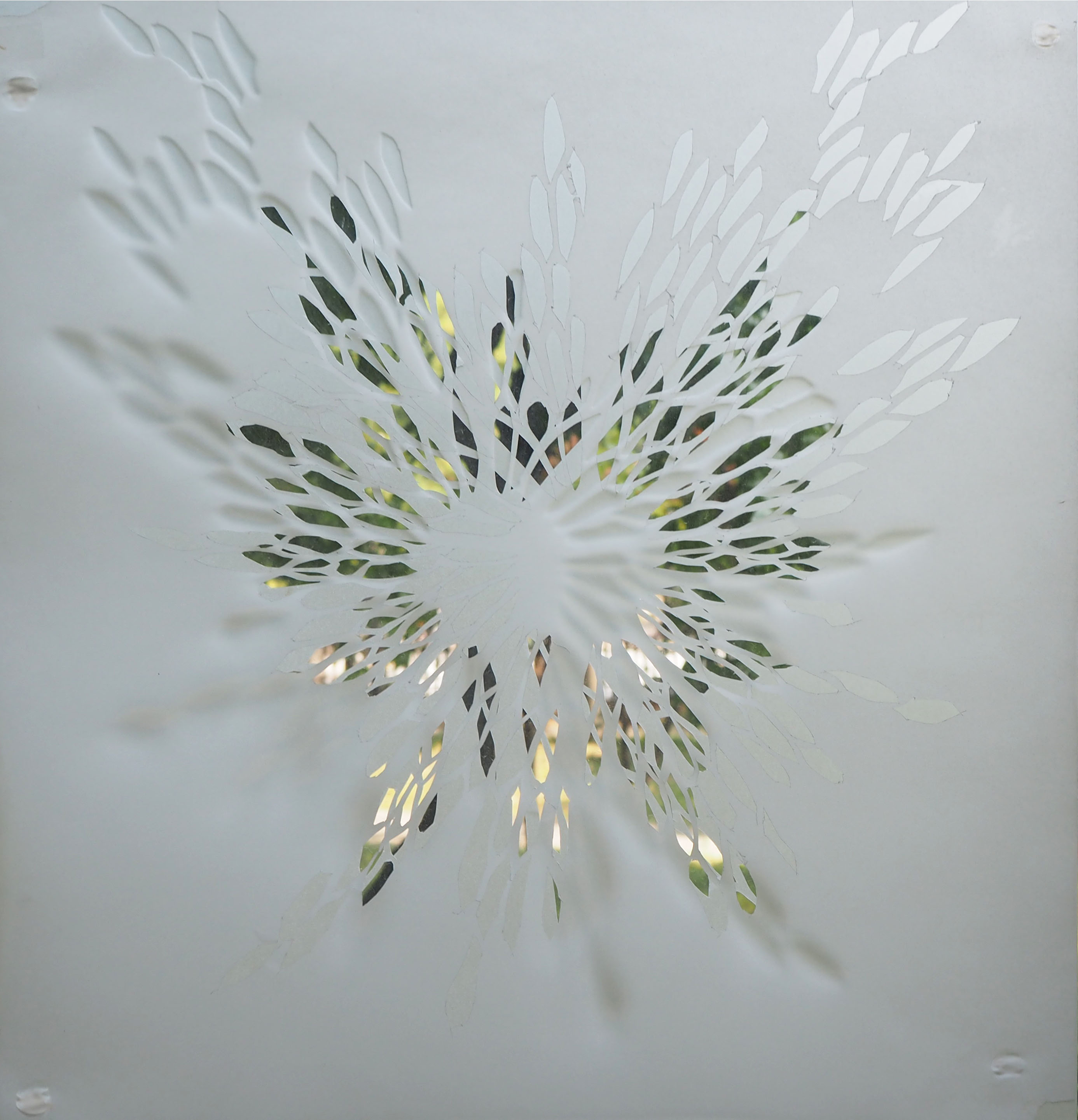
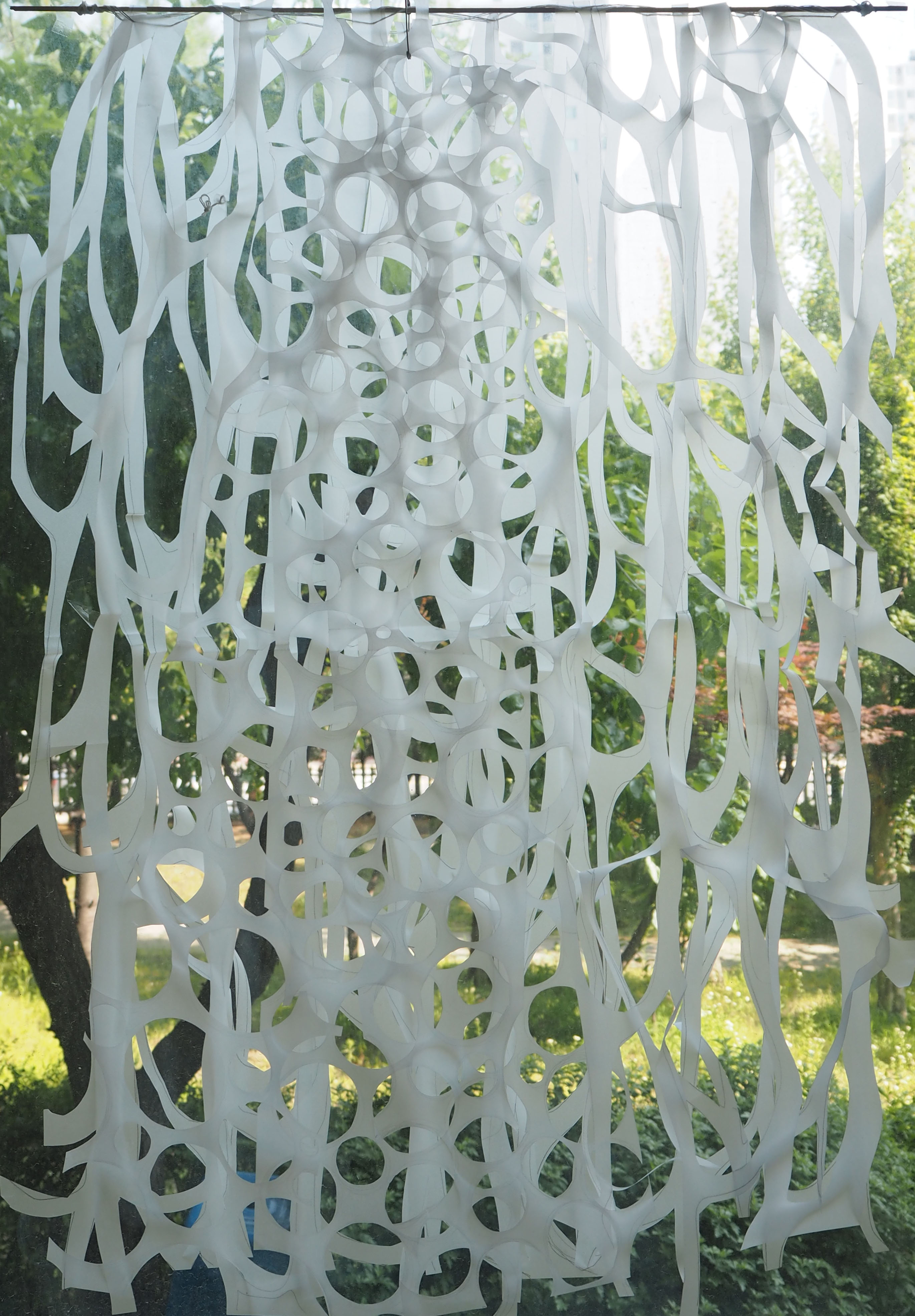
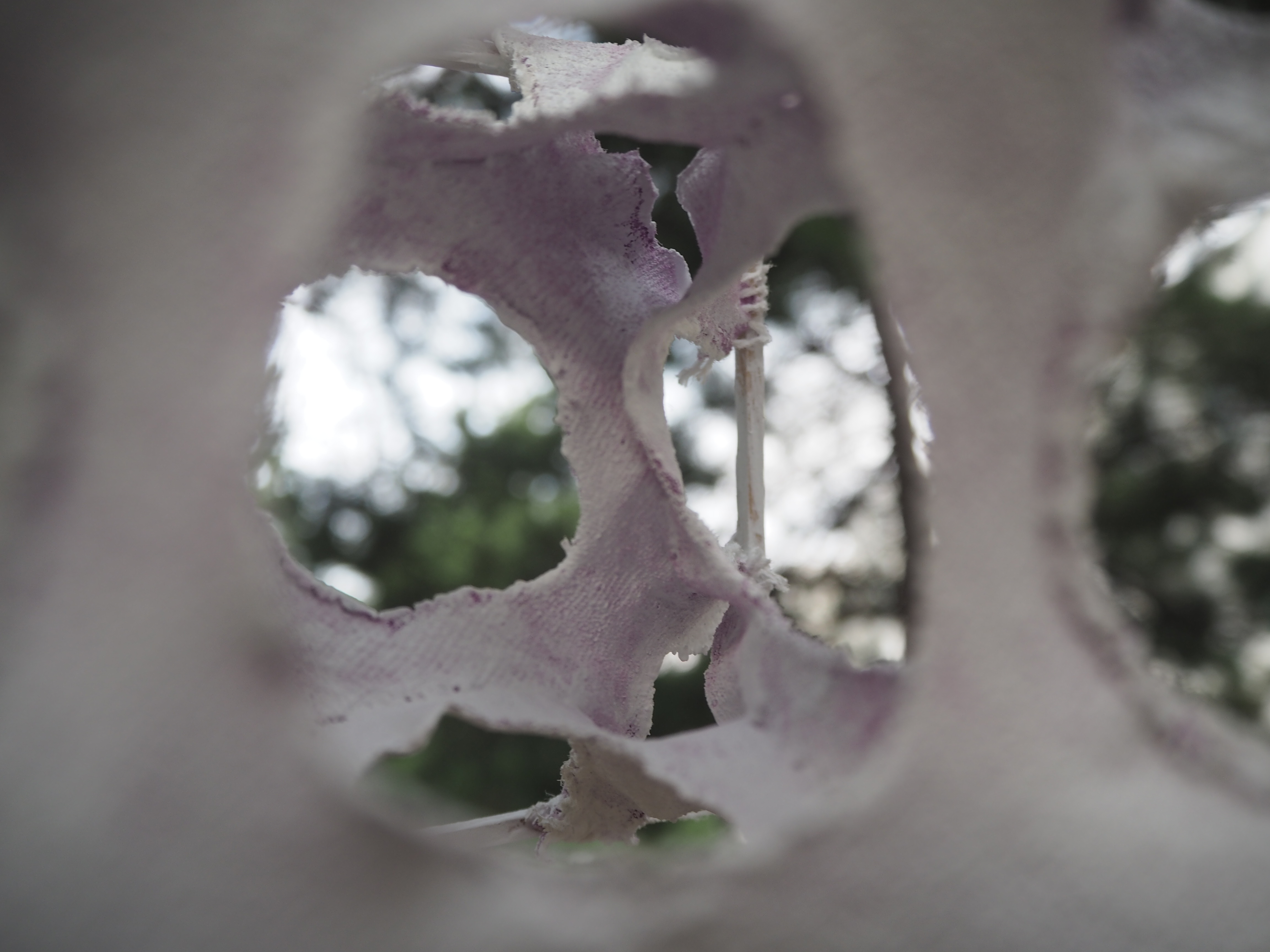
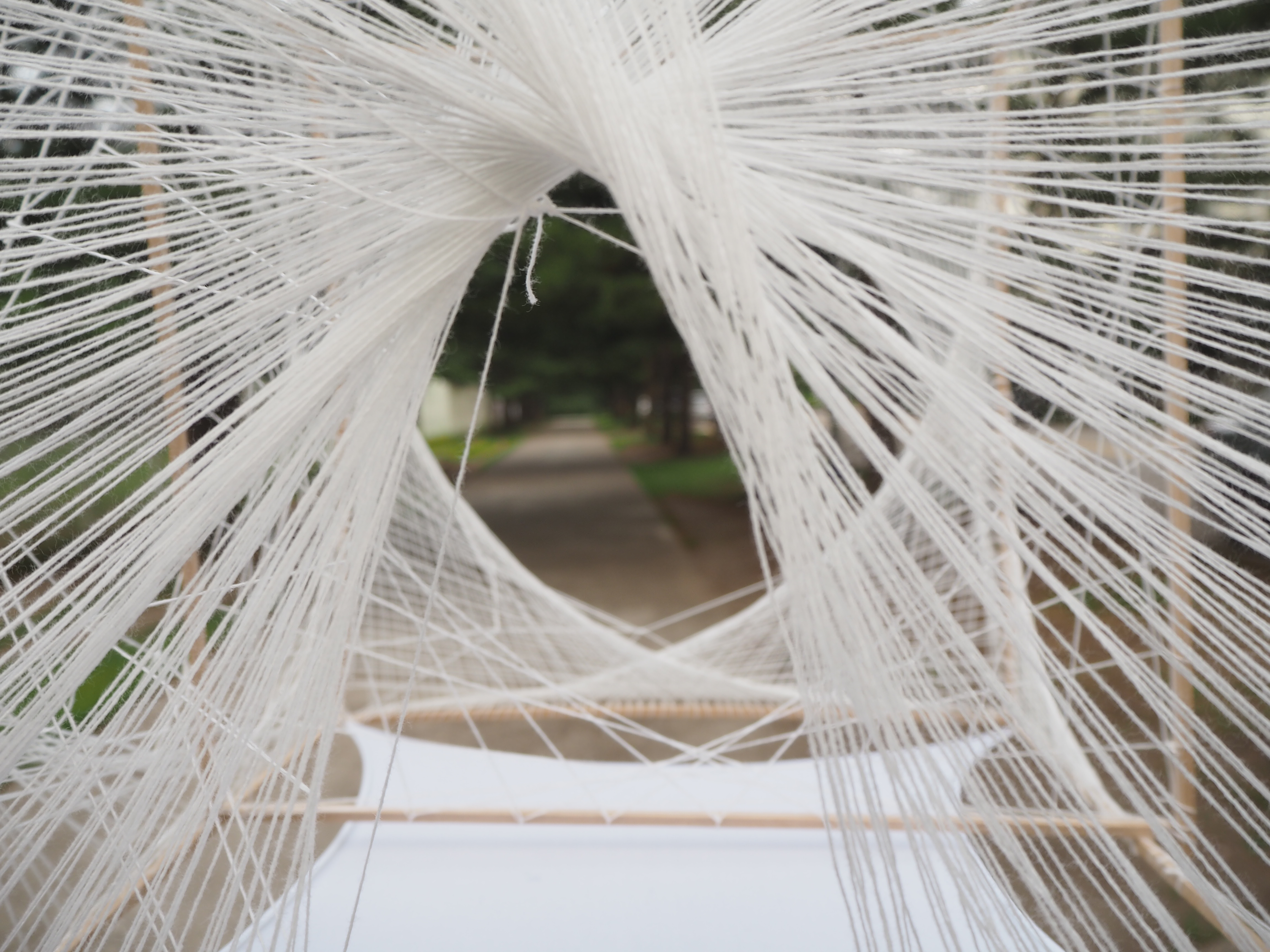
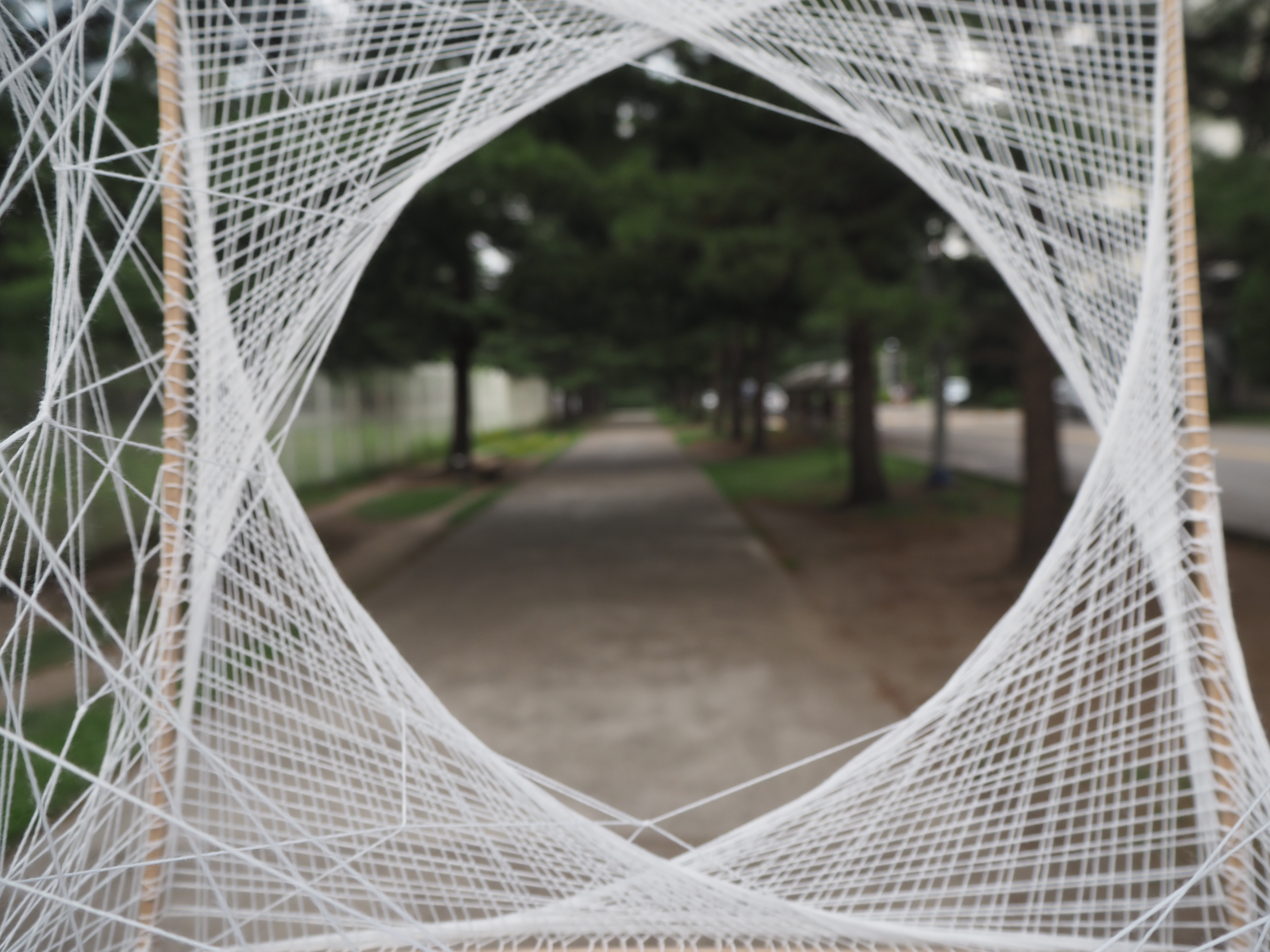
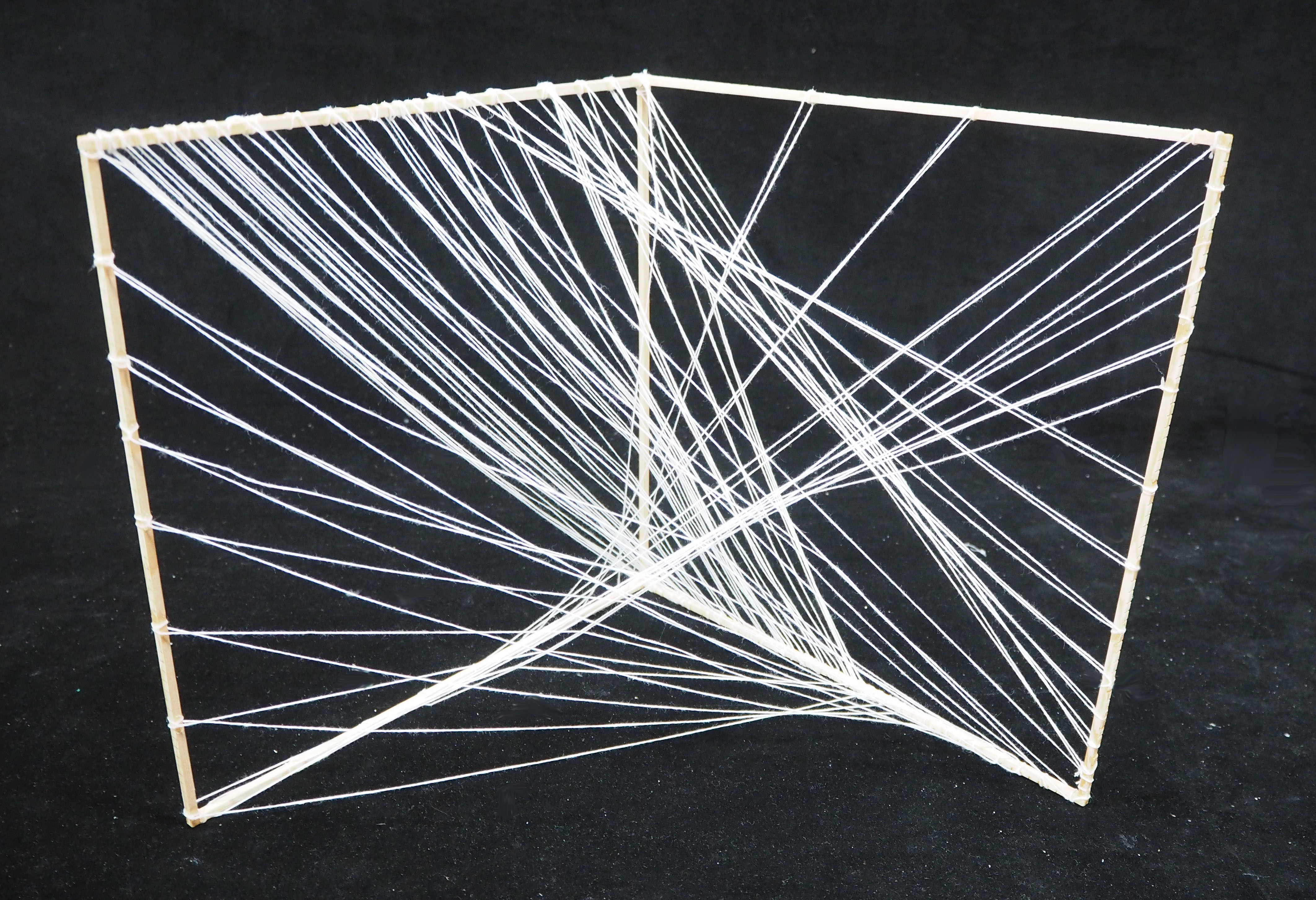
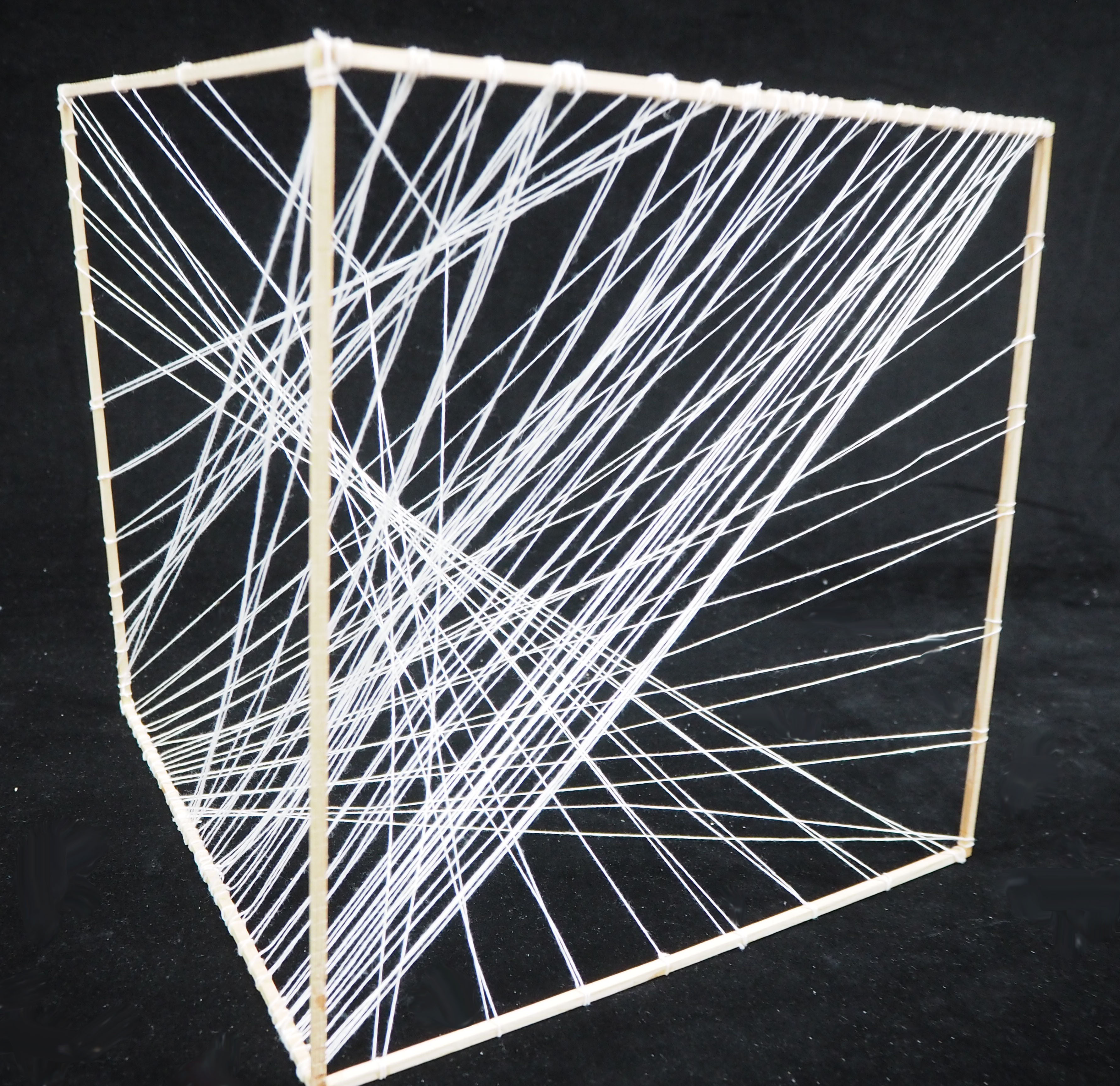
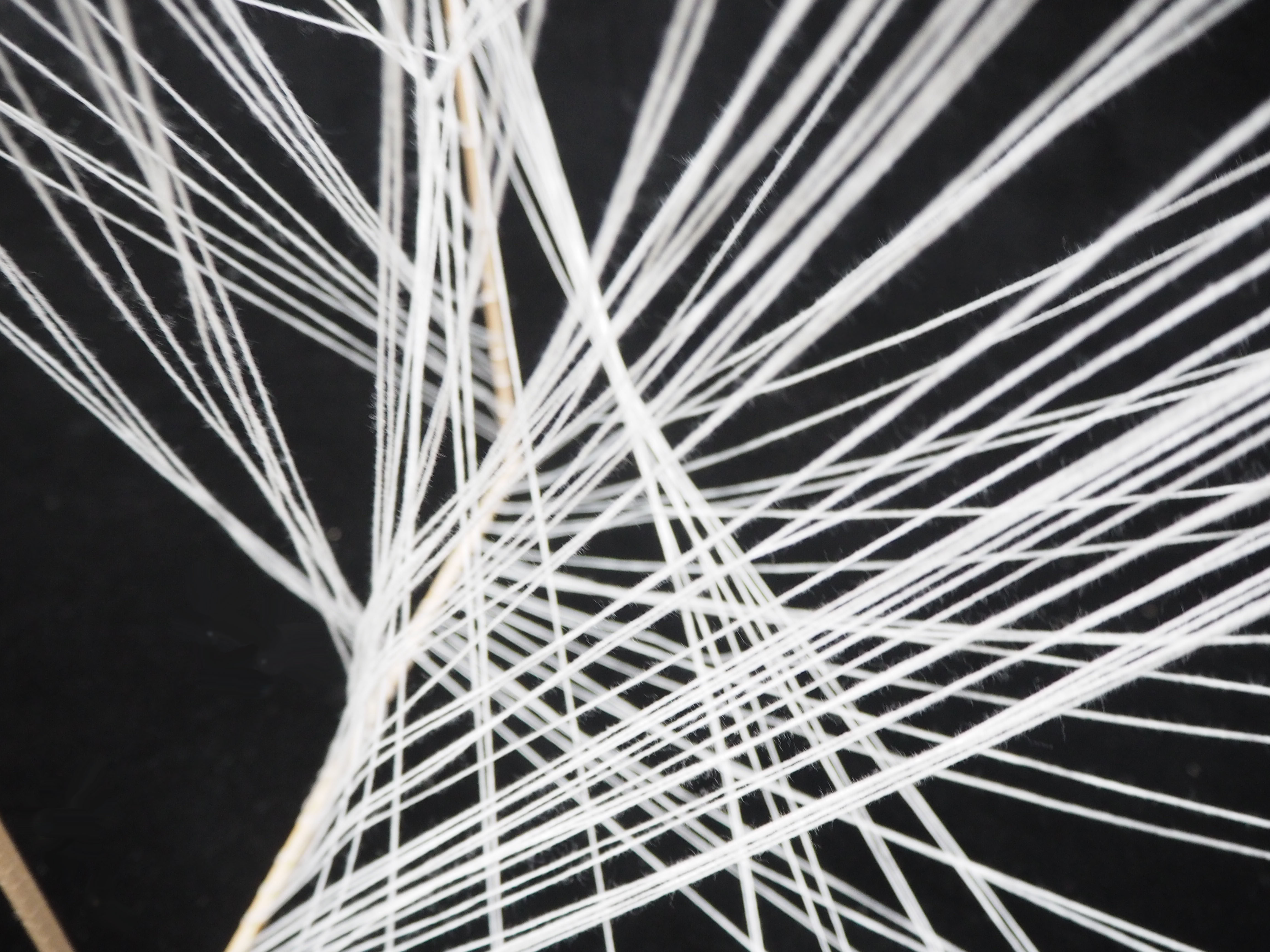
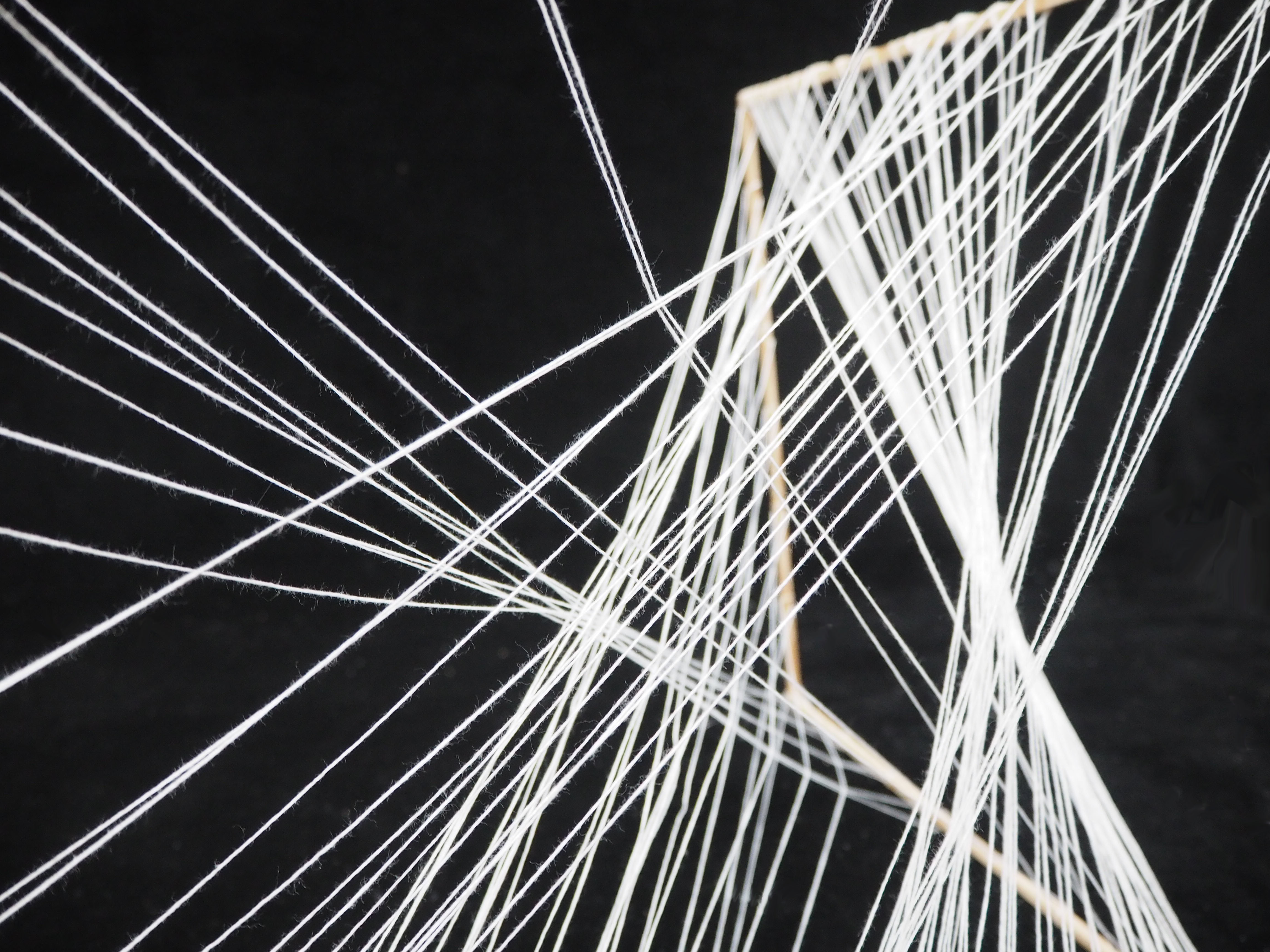
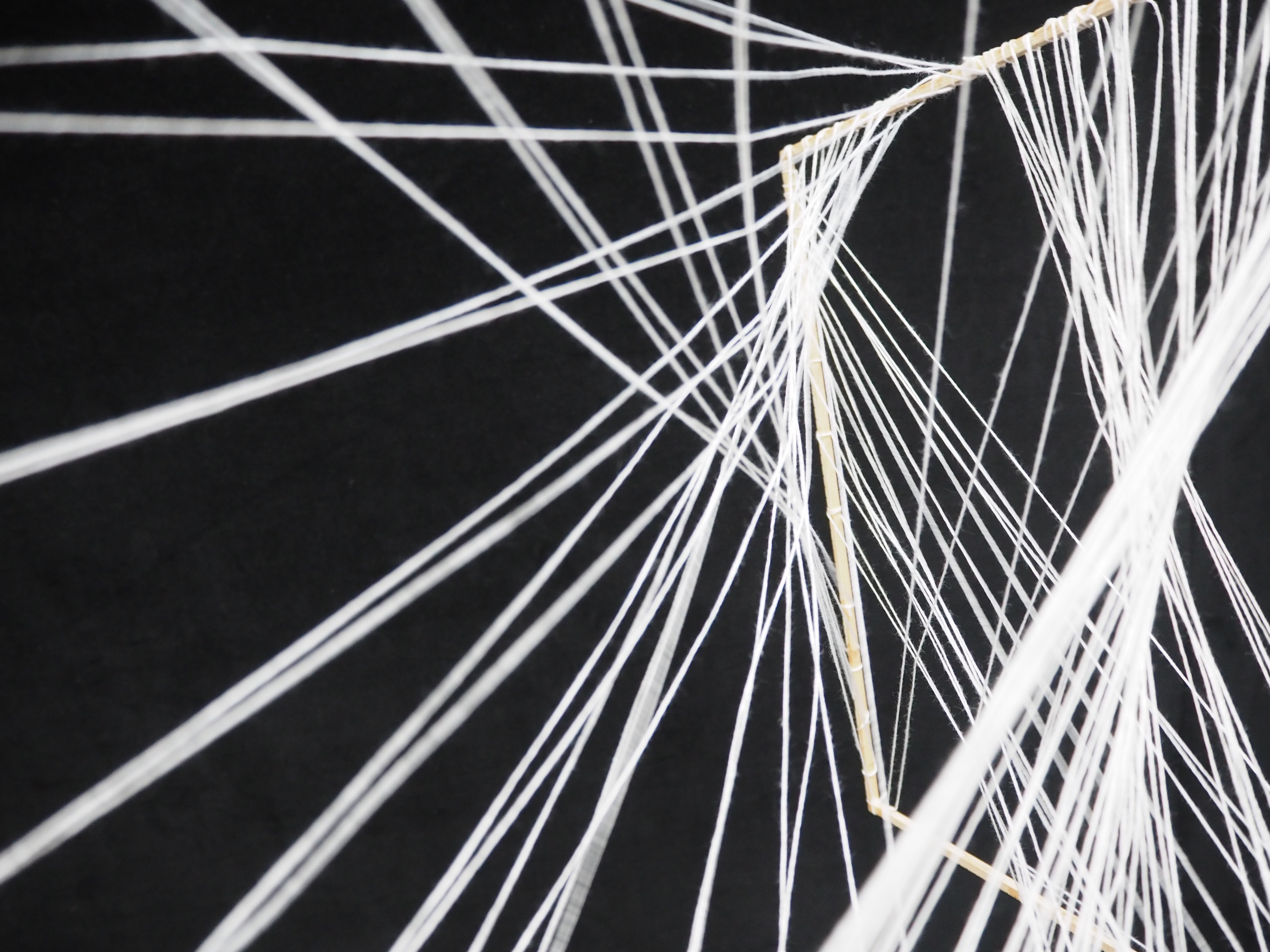
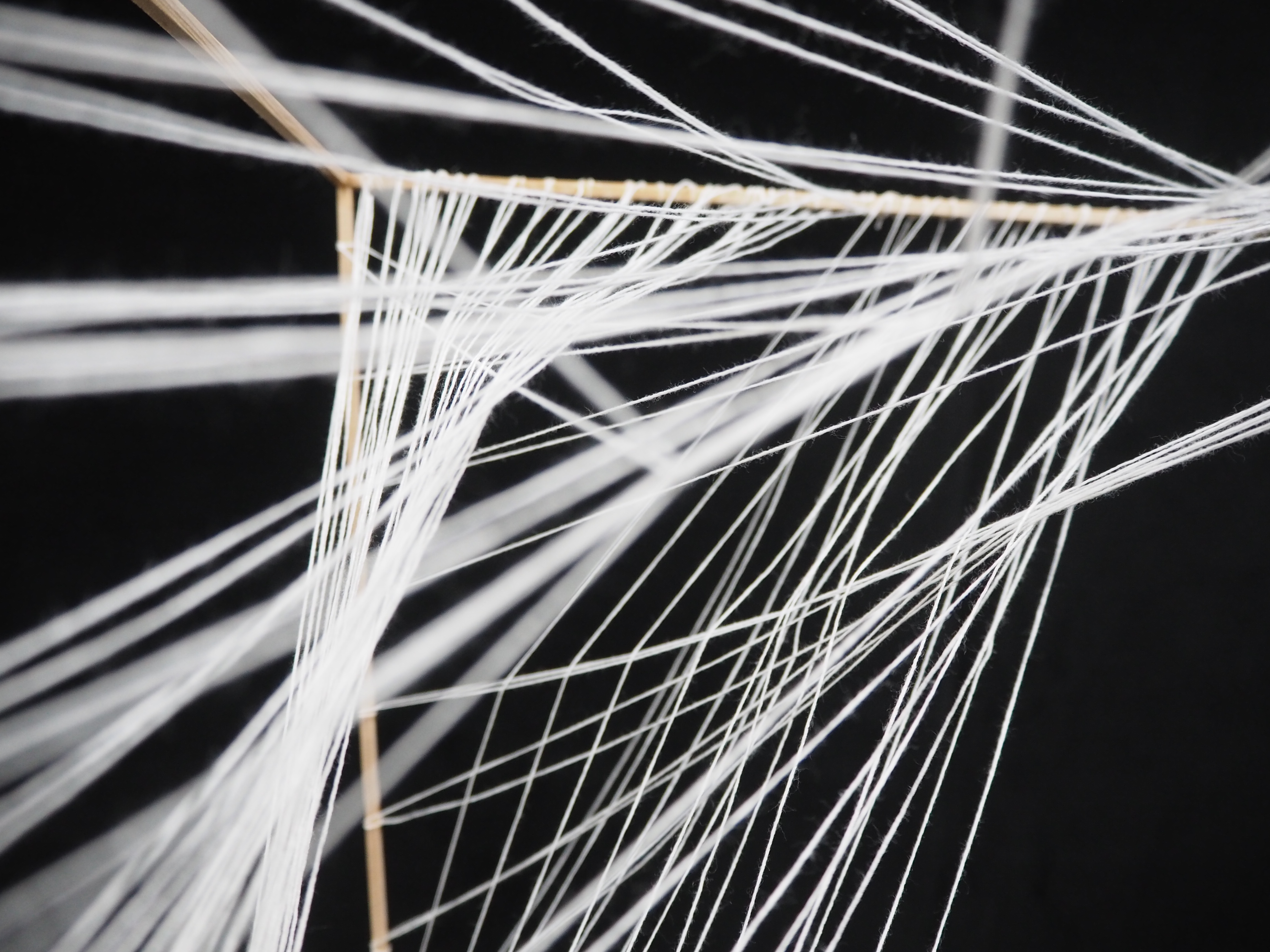
The assignment was to deconstruct one natural object and one artificial object, and then recombine their extracted elements to create a new spatial composition. The Hallabong, a type of citrus fruit, appears as a single mass at first glance. However, when broken down into smaller parts, it is revealed to be composed of many individual segments. By isolating each segment, small voids emerge in the spaces they once occupied. These voids became the basis for defining micro-spatial units. The candle, although also perceived as a solid mass, reveals varying degrees of light transmission when illuminated. Depending on its thickness, light penetrates the material differently. This phenomenon was translated into a layered spatial structure, where density and transparency change gradually. By synthesizing these two studies, the project connects multiple small, layered spaces into a larger spatial system. As the space expands and its boundaries become increasingly minimal, the space begins to dissolve into lines rather than volumes. At this point, the focus shifts from creating space through mass to constructing space through the interweaving of lines—expanding the notion of space as something formed not by enclosure, but by connection.