Inside the Rubik's Cube
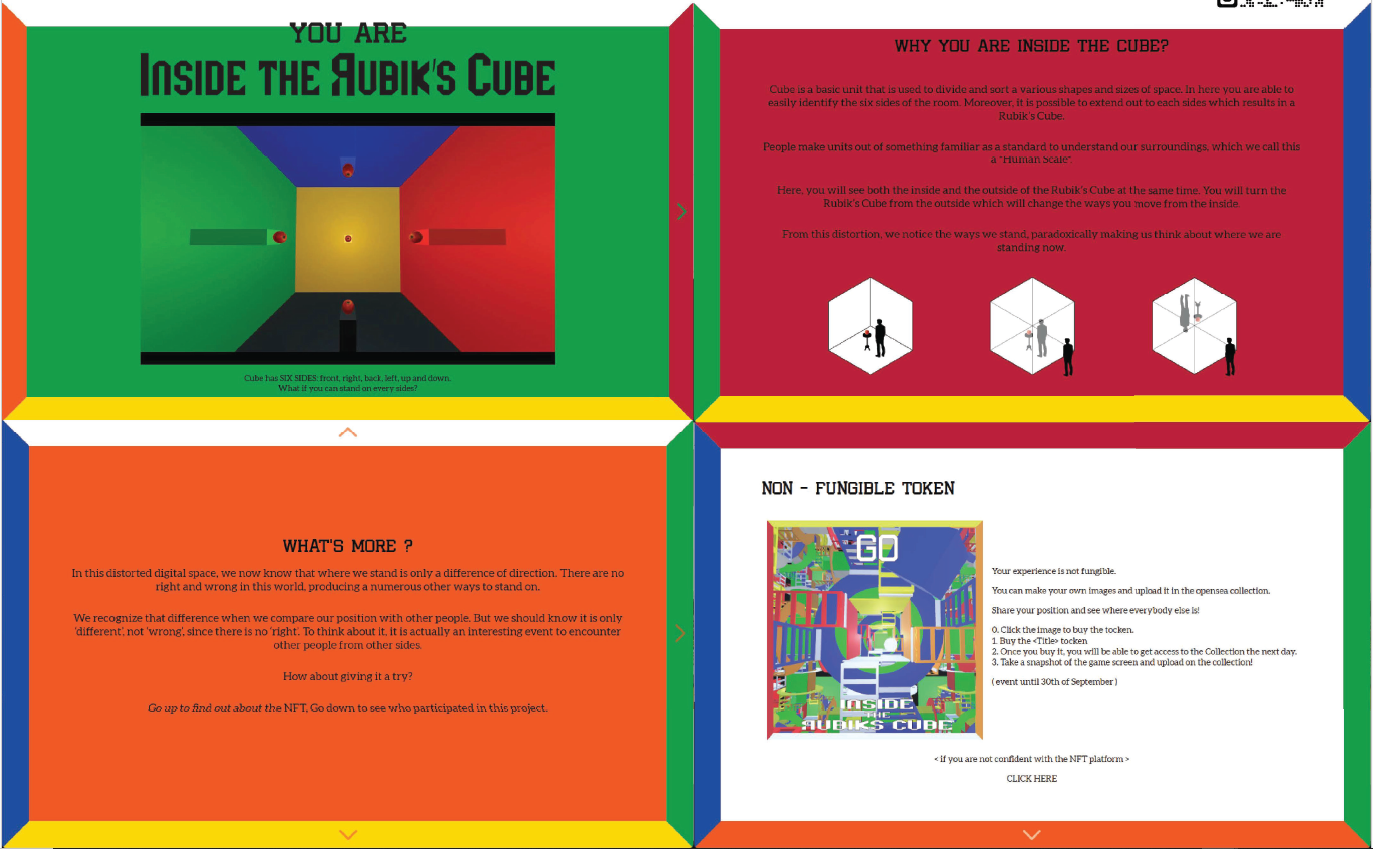
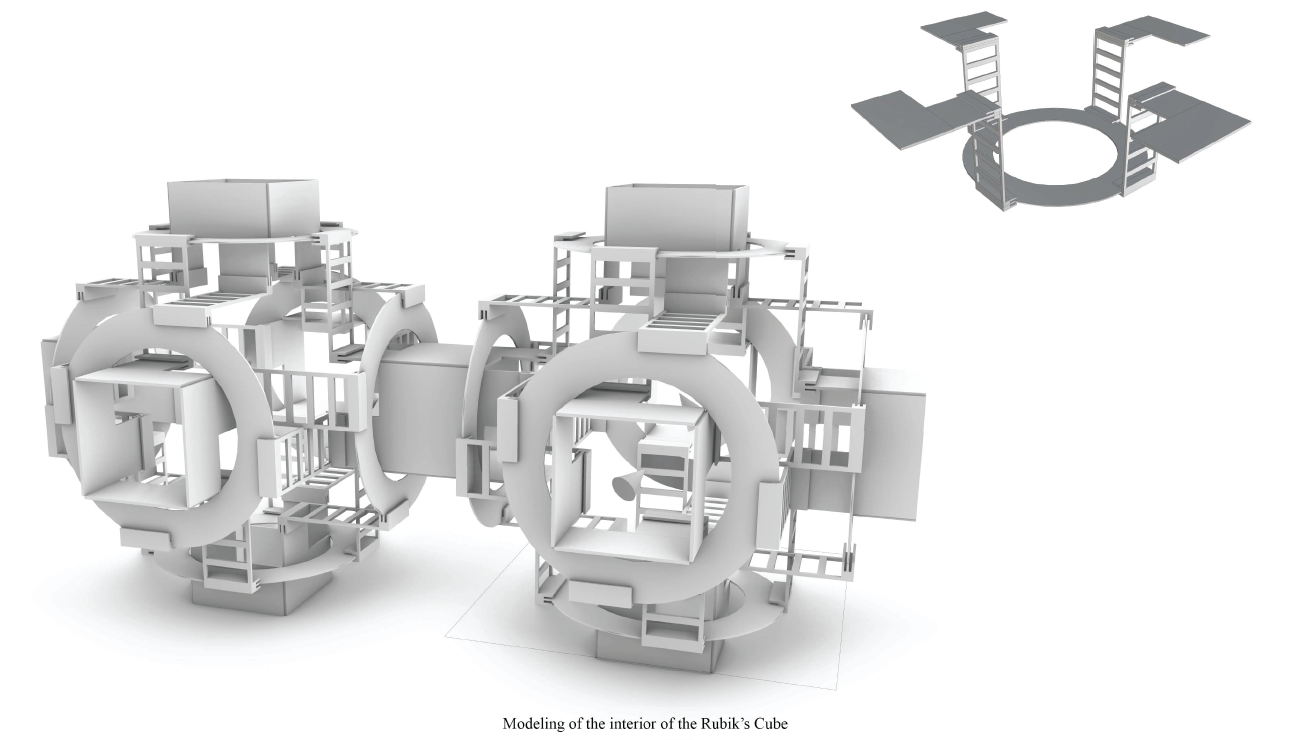
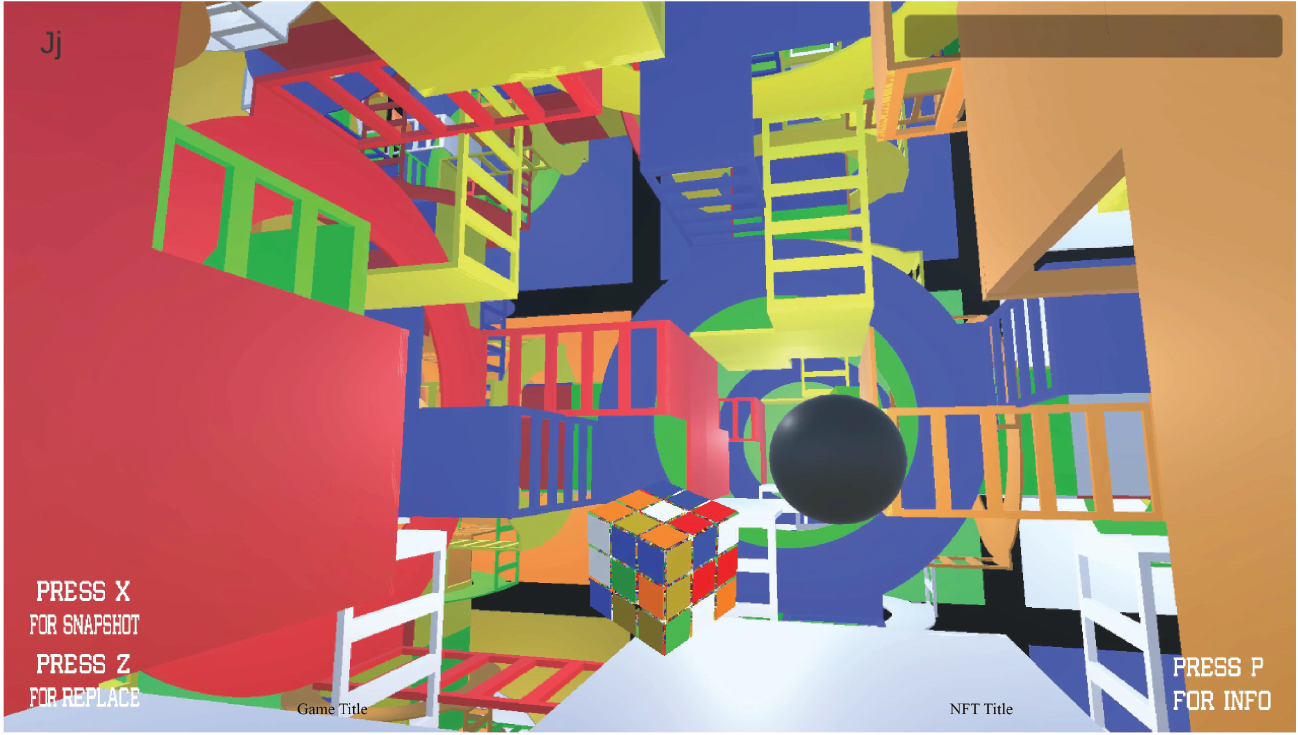
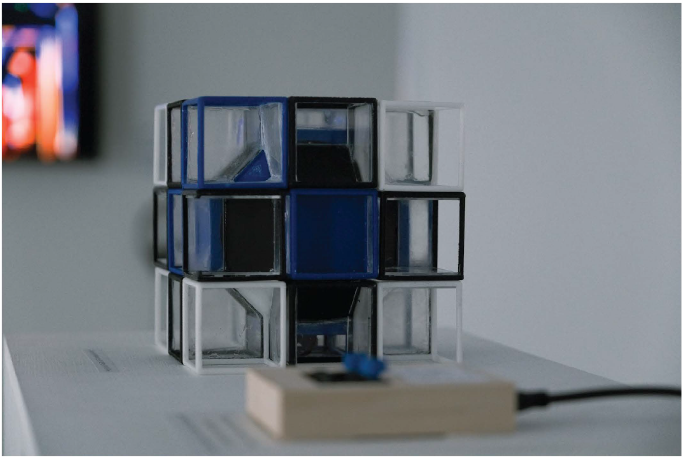
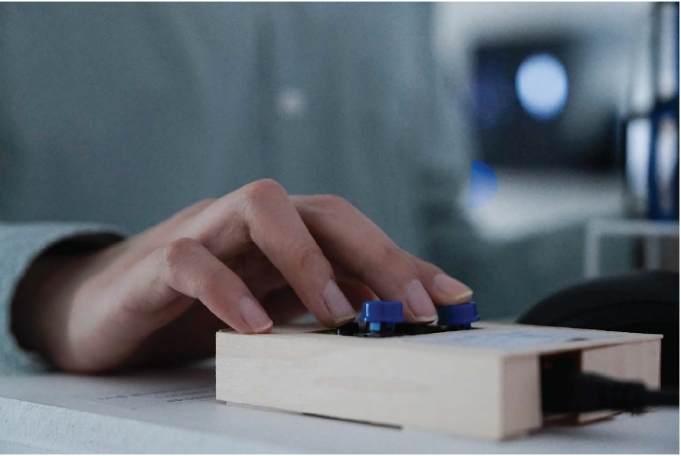
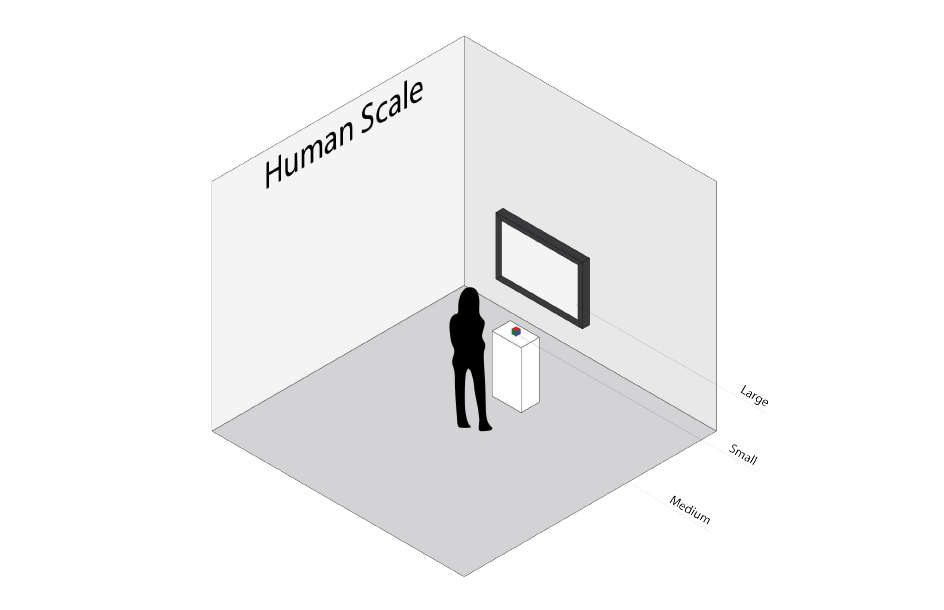
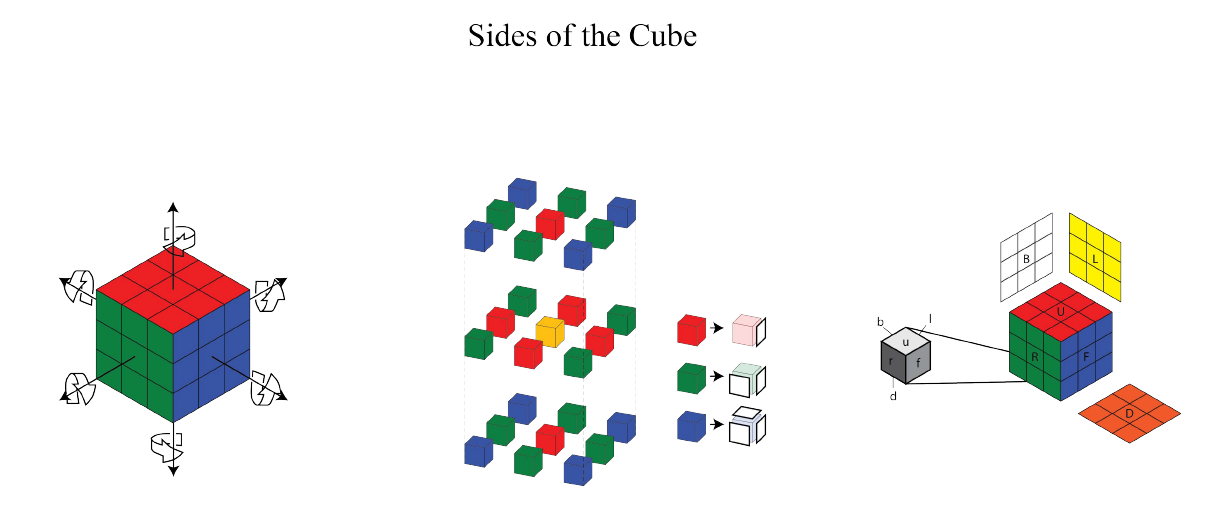
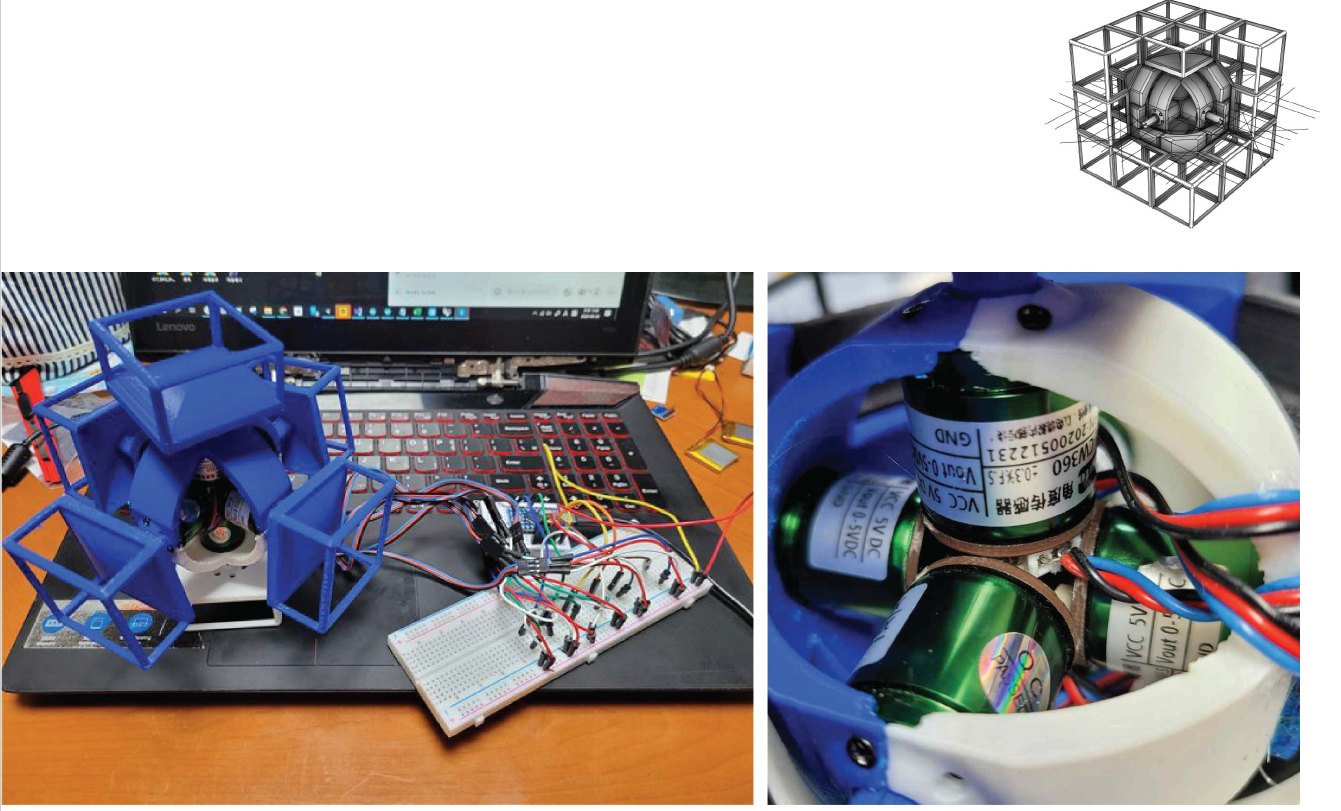
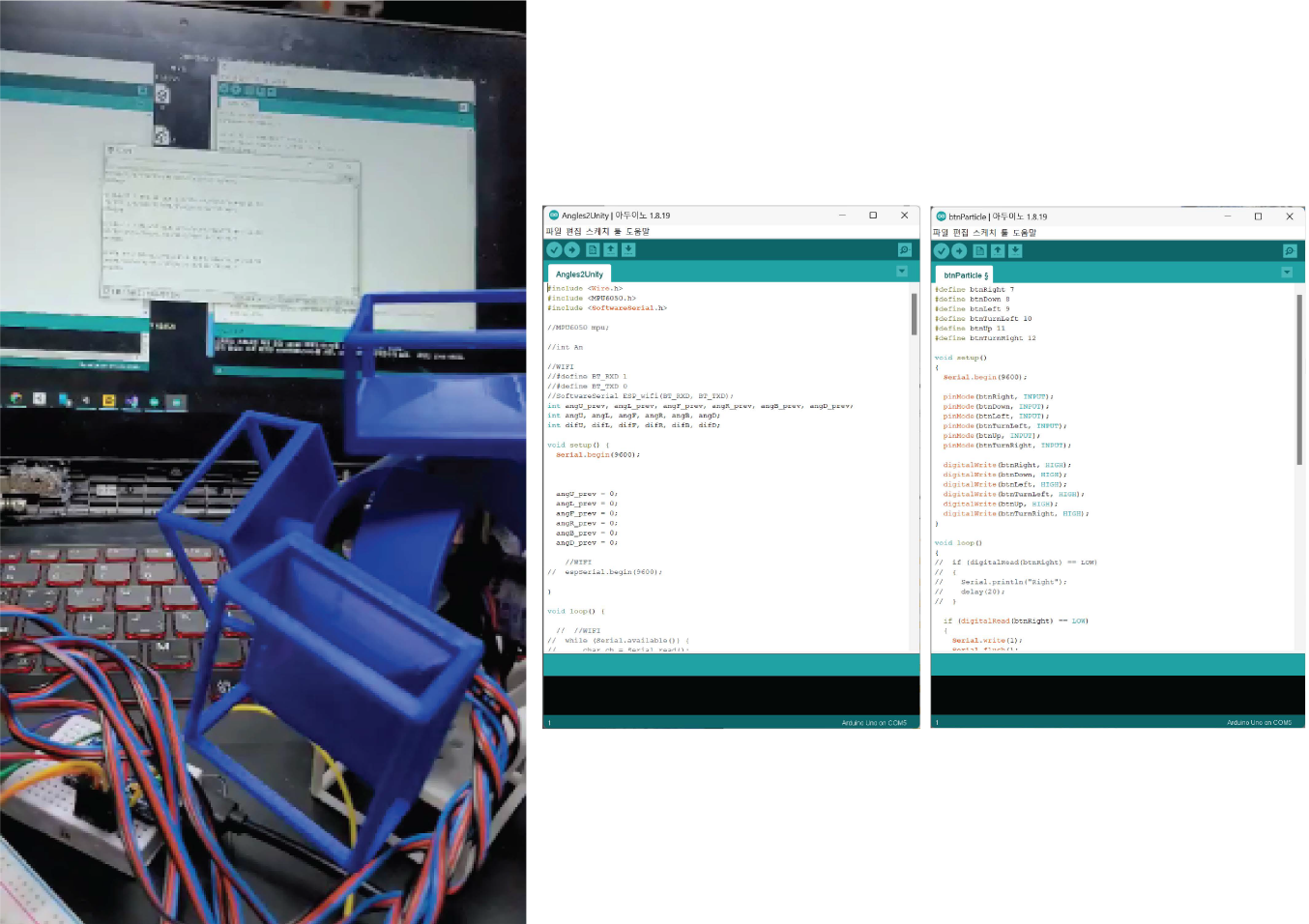
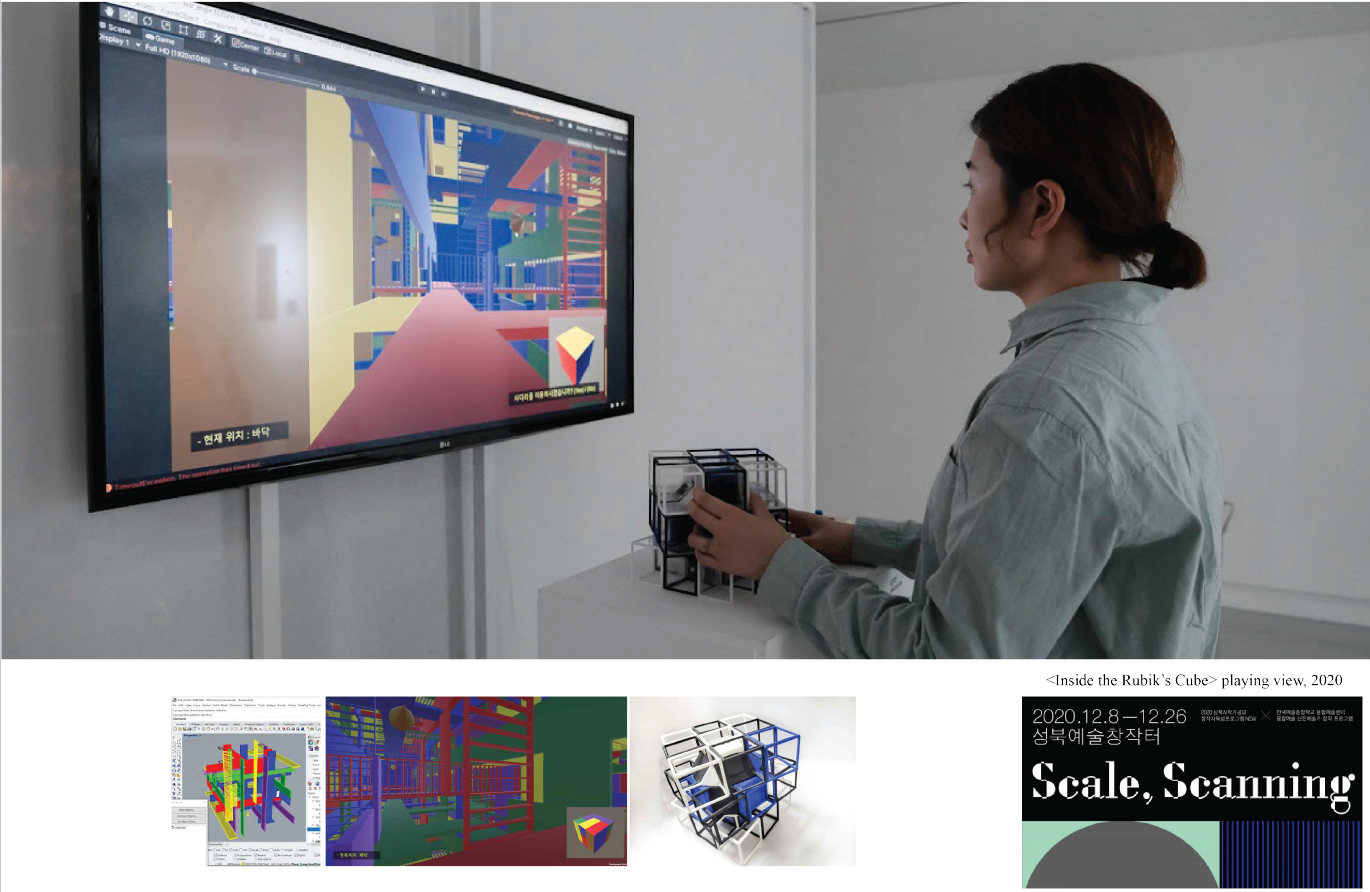
Inside the Rubik’s Cube reconsiders the Rubik’s Cube not as a puzzle of colored surfaces, but as a navigable spatial experience. We usually recognize space from the outside, constructing environments scaled to the human body for our own convenience. This external viewpoint, however, often limits our understanding of what actually constitutes “space,” overlooking the internal conditions that shape spatial perception. The project proposes two coexisting scales of space: a small-scale space represented by the Rubik’s Cube as an object, and a large-scale space represented by the interior of the Rubik’s Cube. When we move from the surface into the interior, there is no single correct answer. With each rotation, orientation shifts—walls become floors, and floors become walls—yet the space itself remains continuous. In the installation, the audience physically remains in a human-scaled room while simultaneously controlling and inhabiting the Rubik’s Cube displayed on a screen. A physical cube is connected to its digital counterpart using Arduino, allowing the movements of the real cube to directly manipulate the virtual interior. As the exhibition was also presented online, keyboard input was implemented so that remote participants could independently navigate and explore the virtual space. Through this dual experience—manipulating an object from the outside while inhabiting it from within—the work challenges conventional spatial perception and invites participants to rethink space beyond fixed scales, encouraging them to imagine space not as a surface to be solved, but as an environment to be entered and experienced.